



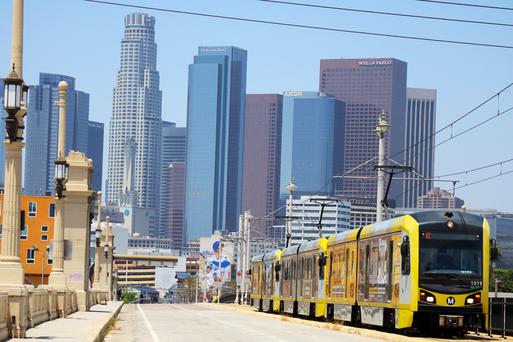
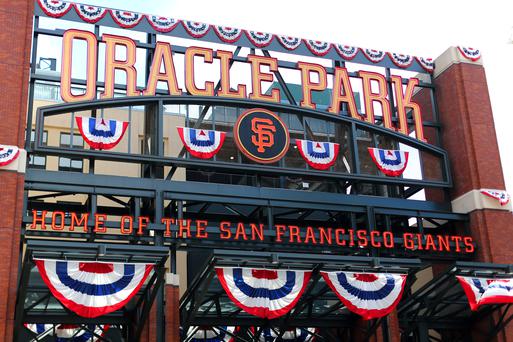
Your Guide to Watching Pro Soccer in California
The leagues, the stadiums, how to watch, how to get tickets. Consider this your starting point.

Bodie is one of California's most notable ghost towns and here's the true story behind it.

2 min read
August 05, 2024
Bodie, California is a ghost town frozen in time. Once a booming gold-mining town, Bodie now stands as a haunting reminder of the American West's turbulent past. The story of Bodie is one of boom, bust, and eventual abandonment, making it a fascinating destination for history enthusiasts and curious travelers alike.
The tale of Bodie began in 1859 when prospector W.S. Bodey discovered gold in the hills east of the Sierra Nevada. Tragically, Bodey died in a snowstorm shortly after his discovery, never witnessing the town that would bear a variation of his name. By 1876, significant gold deposits were found, sparking the arrival of thousands of miners and adventurers seeking fortune. The town quickly grew, and by 1879, Bodie had a population of nearly 10,000 people, boasting over 2,000 buildings.

During its heyday, Bodie was a bustling town with a reputation for lawlessness and vice. The streets were lined with saloons, brothels, and gambling halls, earning Bodie the moniker "the wildest town in the West." The town's rich gold mines produced over $35 million worth of gold and silver, drawing people from all walks of life. Bodie had its own Chinatown, with a significant population of Chinese immigrants who worked in the mines and operated businesses.
Despite its reputation, Bodie was a town of innovation and progress. It was one of the first towns in California to have electricity, and it had several newspapers, a fire department, and a telegraph office. The Standard Mine, Bodie's most profitable mine, used advanced technology for the time, including a 20-stamp mill for processing ore.
As with many boomtowns, Bodie's prosperity was short-lived. By the 1880s, the mines began to yield less gold, and the population started to dwindle. The Panic of 1893, a nationwide economic depression, further hastened Bodie's decline. Miners and businesses moved on to more lucrative prospects, leaving the town's buildings and infrastructure to deteriorate.
Despite several attempts to revive the mines, including brief resurgences during World War I and the 1920s, Bodie could not reclaim its former glory. By the 1940s, the town was nearly deserted, with only a few remaining residents. The last mine closed in 1942, marking the end of Bodie's mining era.
In 1962, recognizing the historical significance of Bodie, the state of California designated it as a State Historic Park. The town is preserved in a state of "arrested decay," meaning that while no new buildings are constructed, existing structures are maintained to prevent further deterioration. Visitors can explore over 100 remaining buildings, including the schoolhouse, church, and several homes and businesses, which offer a glimpse into life during Bodie's heyday.
Bodie State Historic Park attracts thousands of visitors each year who are drawn to its eerie beauty and rich history. Walking through the deserted streets, one can almost hear the echoes of the past—miners' picks striking ore, saloon doors swinging, and children playing in the schoolyard.
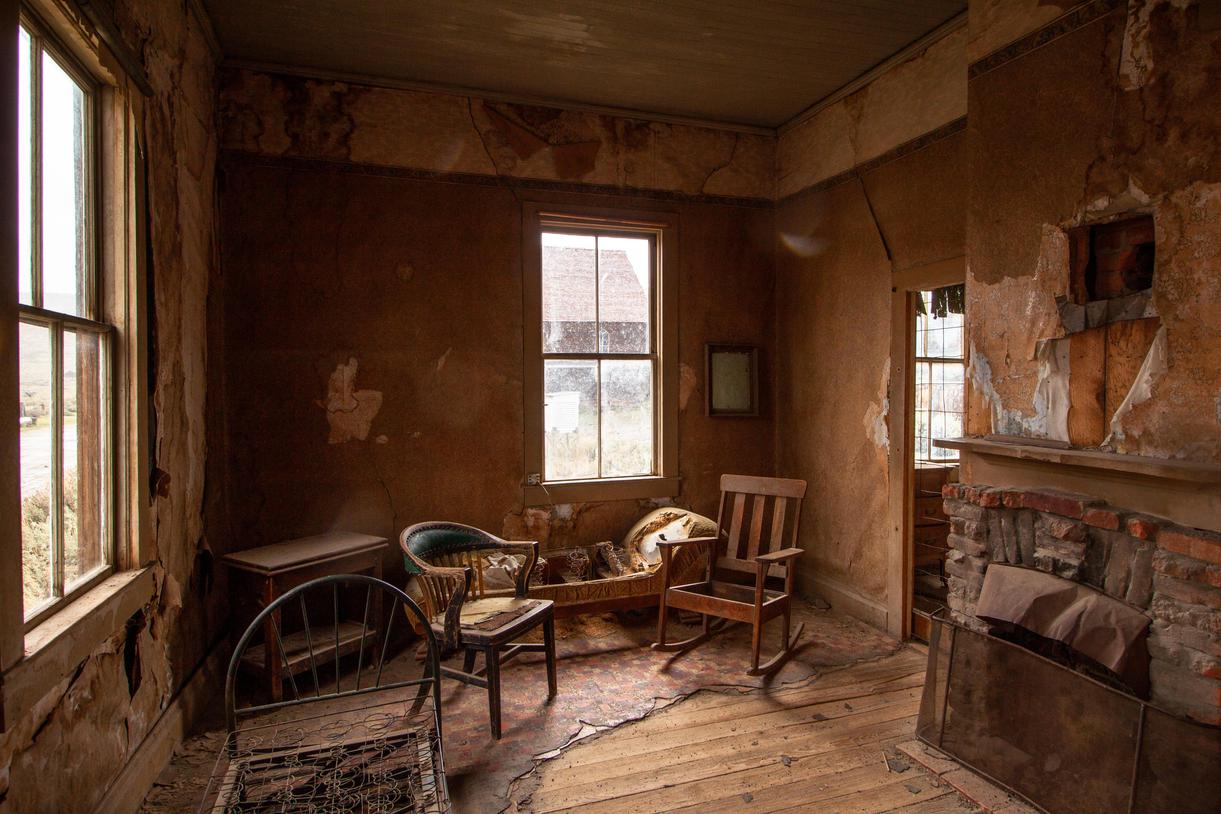
The story of Bodie, California, is a captivating chapter in the history of the American West. From its meteoric rise as a gold-mining boomtown to its decline and preservation as a ghost town, Bodie stands as a testament to the fleeting nature of fortune and the enduring spirit of the people who once called it home. Today, Bodie remains a hauntingly beautiful destination, offering visitors a unique opportunity to step back in time and experience the wild and unpredictable life of the Old West.


The leagues, the stadiums, how to watch, how to get tickets. Consider this your starting point.
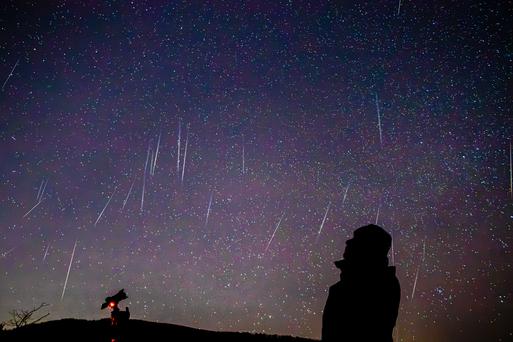
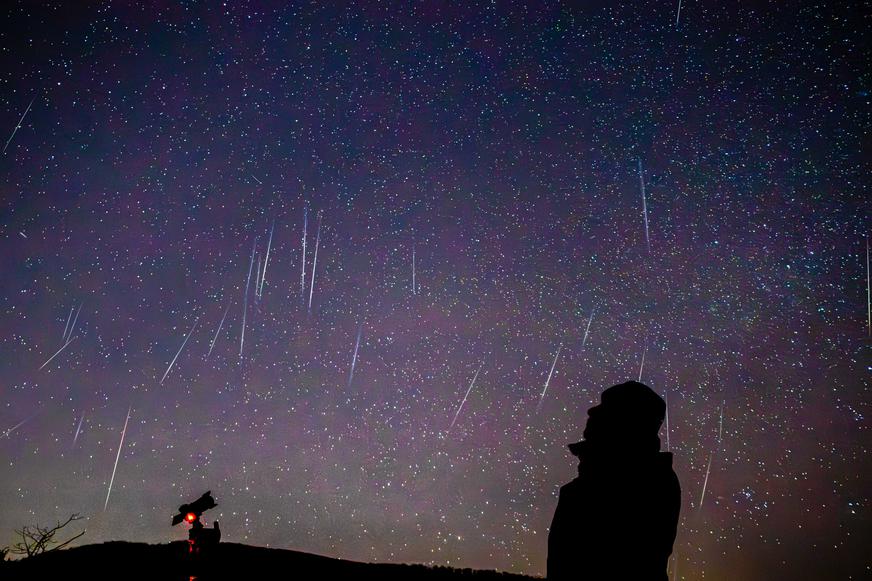
Fall hands California eight solid reasons to get away from the city glow. Here's what's coming, in order, and where to actually watch from.

Billy Joe Armstrong returns to his hometown Rodeo for a free performance at a local art festival.
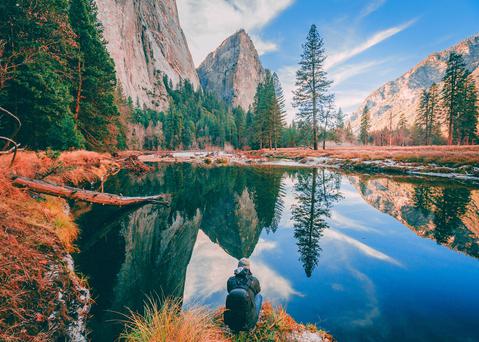
From undulating mountains, to coastal expanses, to verdant forests, here are some of the top spots for backpacking in California.