Fun and Free Things to Do in San Francisco
If you're looking for something fun to do, there are plenty of fun and free things to do in San Francisco, use our guide to help make plans.
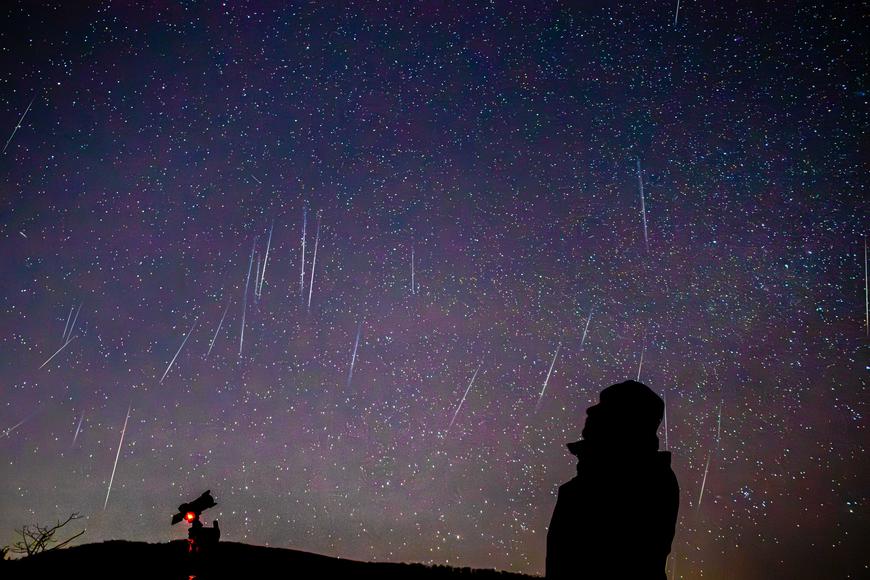
Fall hands California eight solid reasons to get away from the city glow. Here's what's coming, in order, and where to actually watch from.
3 min read
September 17, 2026
Fall hands California eight solid reasons to get away from the city glow. Here's what's coming, in order, and where to actually watch from.
The rates listed are ZHR, a standardized figure that assumes total darkness and ideal geometry. Your backyard in LA won't get close. Death Valley will.
Saturn's opposite the sun this night, brighter and closer than any other point in 2026. It rises at sunset and stays up till dawn. No telescope needed, just look for the steady point that doesn't twinkle. With a scope, 60 mm or bigger, you'll catch the rings tilted about 7.5 degrees south.
Clouded out on the 4th? Late September through mid-October is all opposition-quality. Seeing conditions on any given night matter more than the calendar date.
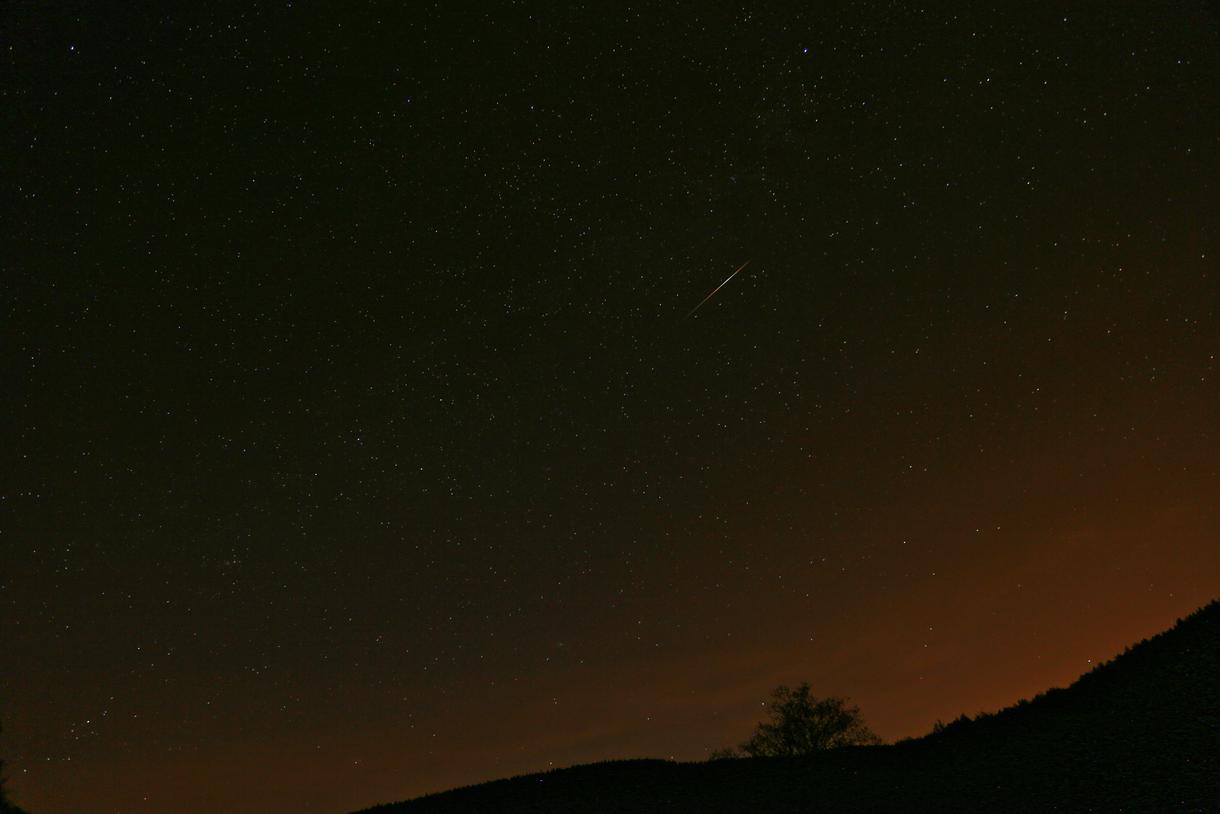
A warm-up act. Maybe 10 meteors an hour, low by any standard. But it's a rare evening shower, peaking before midnight instead of after, and 2026's near-new moon keeps the sky dark for it. Worth a glance if you're already outside.
Fast, bright meteors, leftovers from Halley's Comet. Usually around 20 an hour, but here's the catch: a waxing gibbous moon hangs around for part of the night in 2026 and washes out the faint ones. You'll still catch the brighter streaks, no telescope needed. Just don't expect a show.
A full moon, and yes, you'll see some sites call it a supermoon. That's contested. Most almanacs start the 2026 supermoon run in late November and skip this one. We're skipping it too. Still worth watching rise, bright and full, over the horizon.
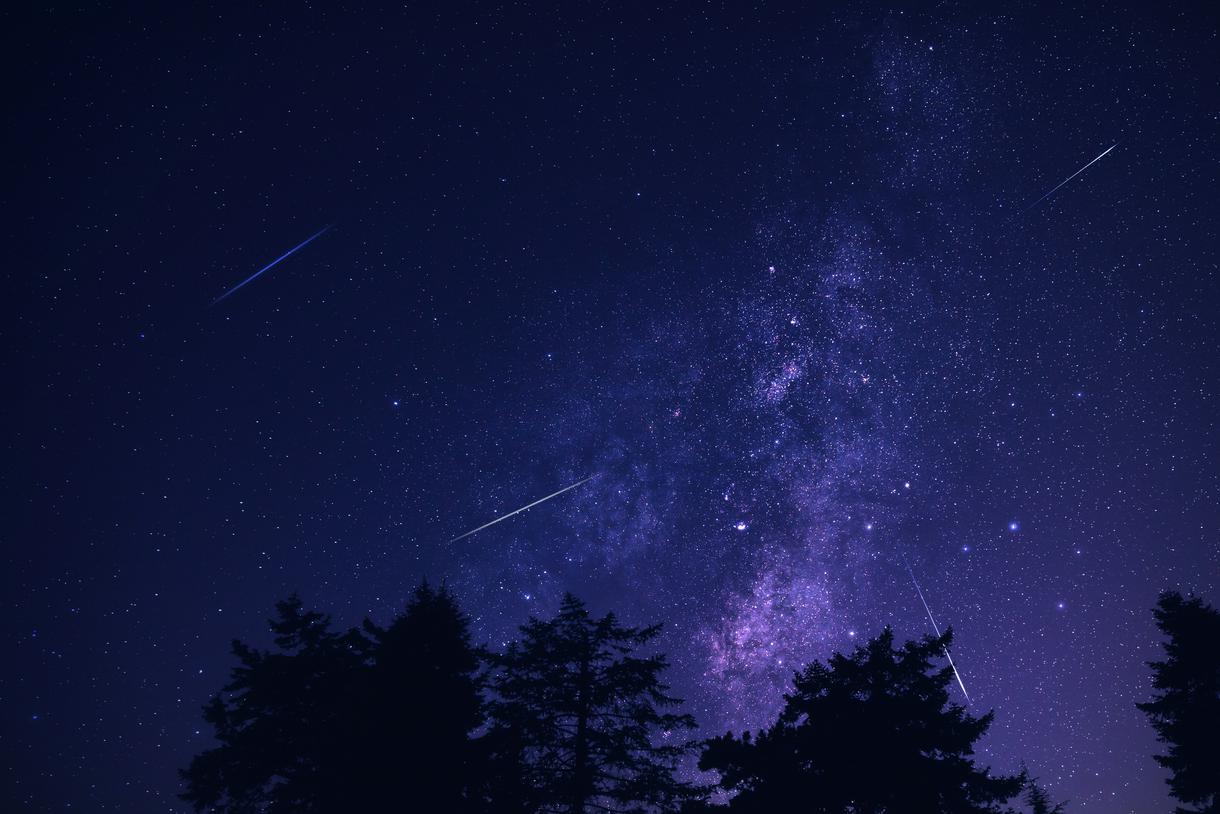
About 15 an hour at best. The moon is a thin crescent this year and sets early evening, leaving the sky dark for the prime after-midnight window, about as good as Leonid conditions get.
A confirmed supermoon, no debate needed. Two nights before Thanksgiving, already road-tripping for the holiday? Easy add. Best right at moonrise, looking east.
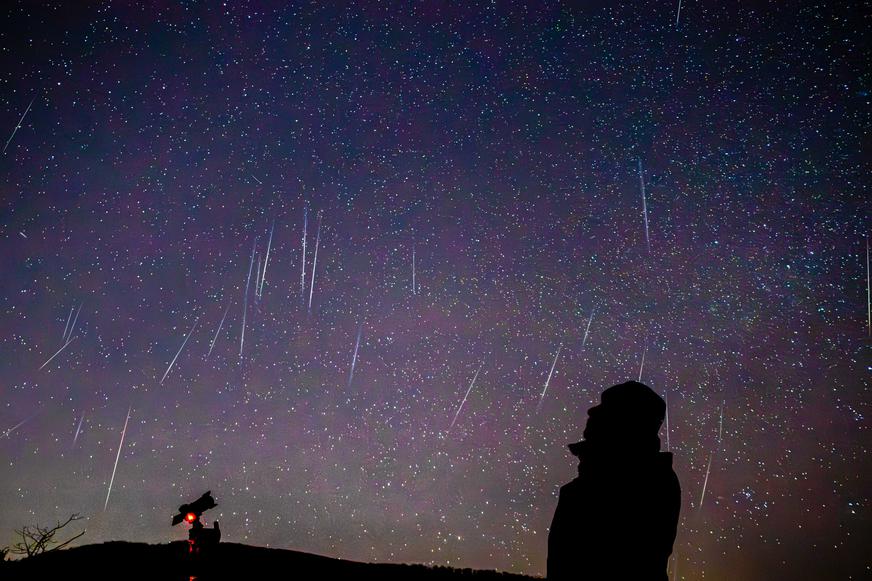
This is the one to build your calendar around. Best shower of the year, up to 120 an hour under a dark sky, and the geminids meteor shower 2026 conditions cooperate: a thin crescent moon sets around 10 p.m., leaving fully dark skies for the whole back half of the night.
If you're only making one meteor shower california trip this year, make it this one. Death Valley, Alabama Hills, somewhere genuinely dark. Bring a chair, a blanket, and patience. The best meteors tend to show up after midnight.
Closest full moon of 2026, around 356,700 km out, reportedly the nearest since 2019. The exact moment of fullness falls Dec. 23 at 5:28 p.m. Pacific, even though many calendars round it to Dec. 24 using UTC. Either night works, it looks essentially full on both, and it's the biggest, brightest supermoon 2026 has to offer.
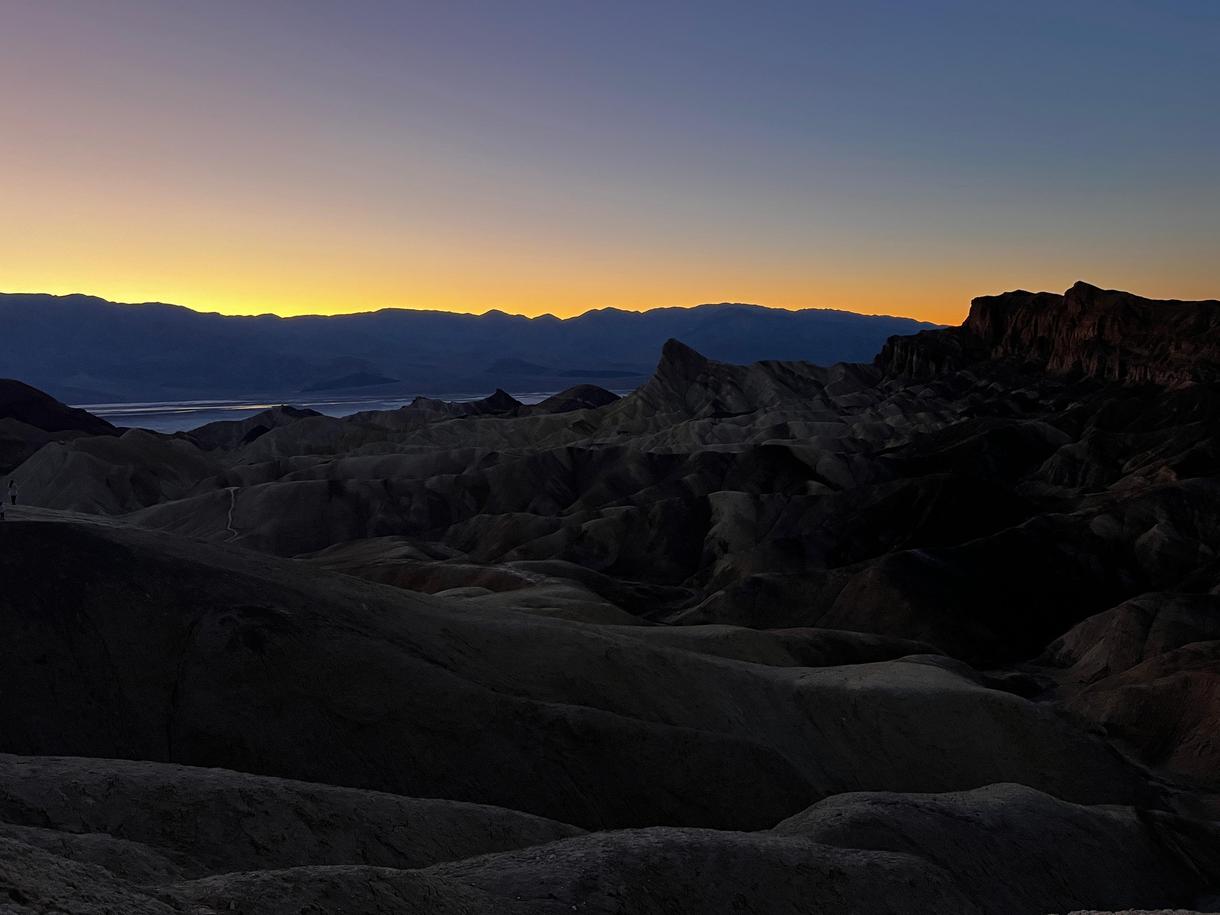
Both certified dark-sky parks. About as black-sky as you'll find within driving distance of LA.
Anza-Borrego, past San Diego, is another solid bet. Up in the Eastern Sierra, the Alabama Hills near Lone Pine pair dark skies with mountain silhouettes if you want the postcard shot.
Genuine darkness up north, no desert drive required. It sits far enough from Redding that the sky holds up, and it's the best option on this list if you're coming from the northern half of the state.
No multi-hour drive in you? These are the closest solid options among the best places to stargaze in california. City light domes still bleed in some, so temper expectations if you're staying close to home.
East of the Salinas Valley. An underrated pick if you're coming from the Bay Area and don't want the full desert drive.
Give your eyes 20 to 30 minutes to adjust, then skip the phone screen. Bring layers, desert and mountain nights get cold fast even in October. A red flashlight keeps your night vision intact when you need to see your feet.
For meteor showers specifically: after midnight almost always beats the evening peak time most calendars list. That's when your side of the planet swings into the debris stream.
If you only clear your calendar for one stretch of California's night sky this fall, make it December: Geminids on the 13th, Cold Supermoon eleven days later.

If you're looking for something fun to do, there are plenty of fun and free things to do in San Francisco, use our guide to help make plans.
Finding a wall isn't the problem. The problem is figuring out which gym fits your lifestyle the best.
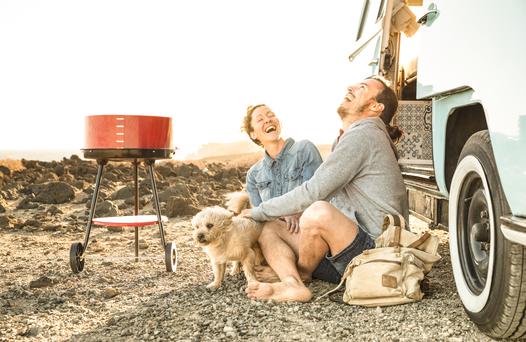
What are you waiting for? Pack up your camping essentials and head over to the best campgrounds California has to offer.
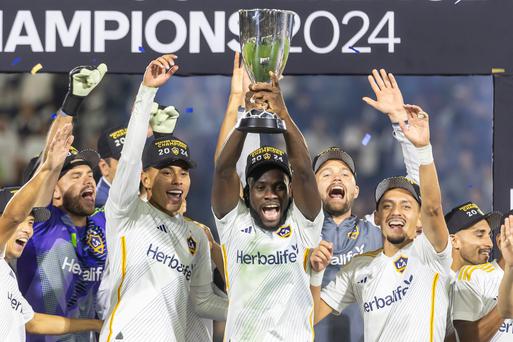
The leagues, the stadiums, how to watch, how to get tickets. Consider this your starting point.