





















Your Guide to Watching Pro Soccer in California
The leagues, the stadiums, how to watch, how to get tickets. Consider this your starting point.
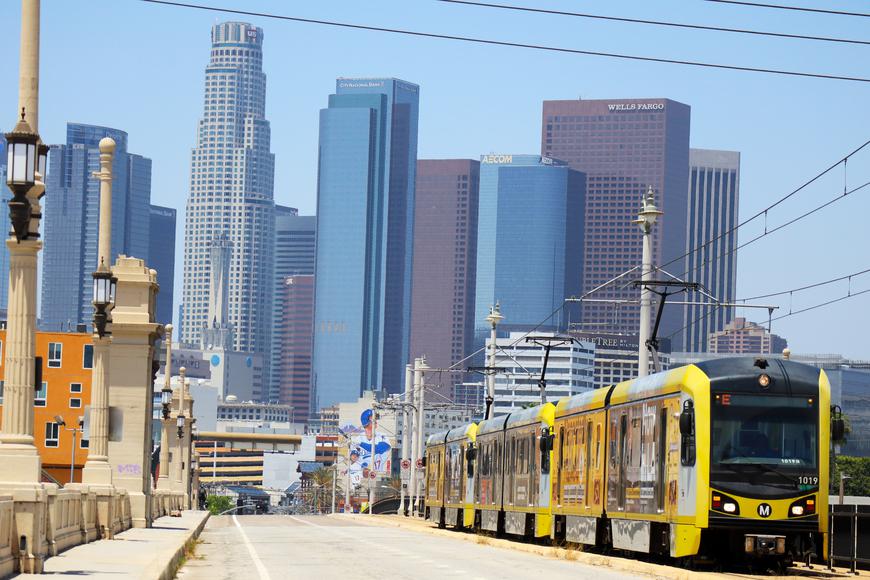
Los Angeles has an extensive public transportation system, but understanding it all can take some work.
3 min read
June 08, 2026
Hero image credit: Walter Cicchetti / Shutterstock.com
Los Angeles has a reputation as one of America's ultimate car cities, and in many ways that reputation is earned. The region is sprawling, traffic is legendary, and plenty of destinations are still easier to reach by car. But the picture is more nuanced than the stereotype suggests. Today's LA public transportation system is larger, faster and more useful than many visitors, and even longtime Angelenos, realize. If you're thinking about getting around Los Angeles without a car, here's what you need to know.
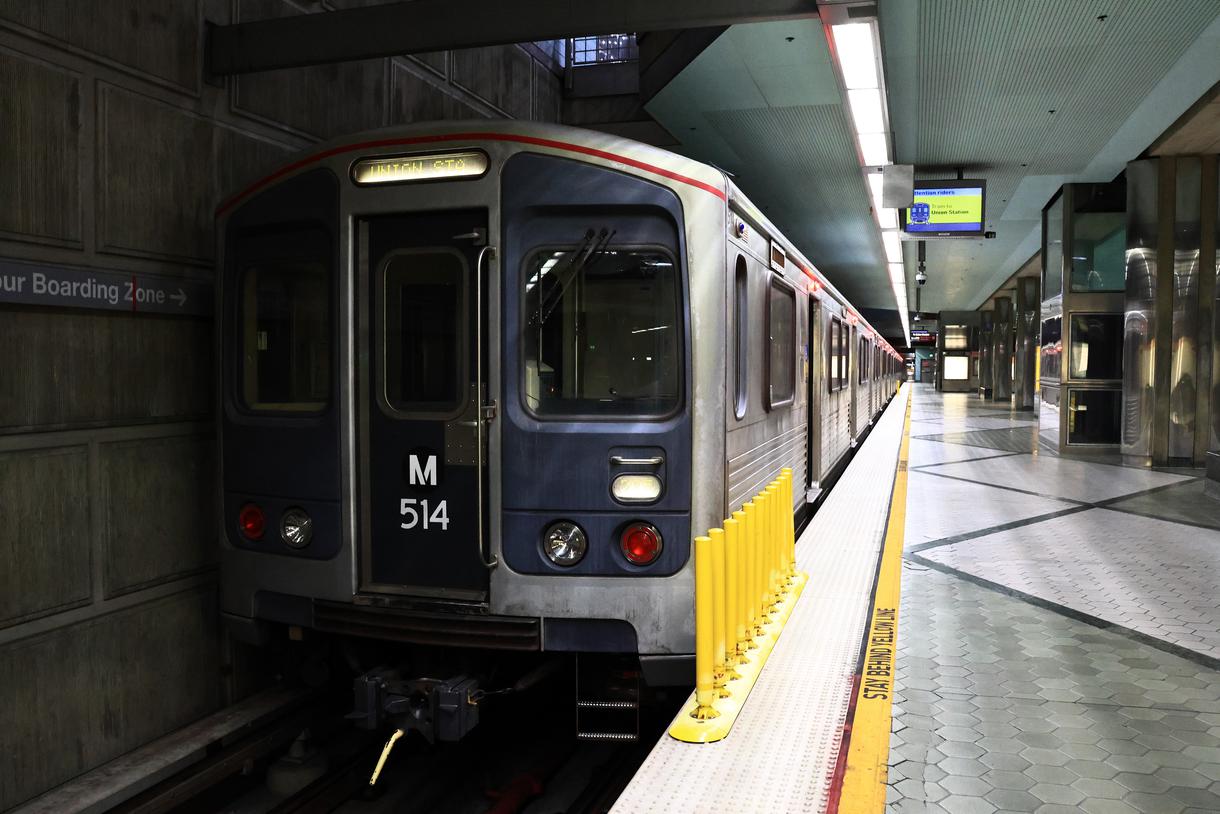
LA Metro Rail is the region's core transit network, with six rail lines and more than 100 stations. The system now uses letters rather than colors: the A, C, E and K Lines are light rail, while the B and D Lines run as subway-style rapid transit.
The network connects many of the destinations people visit most. You can travel between Downtown LA, Hollywood, Long Beach, Pasadena, Santa Monica and the LAX area entirely by rail. Recent expansions have made the system more useful than ever. In May 2026, the first section of the D Line extension opened, adding new stations along Wilshire Boulevard and pushing subway service farther west. The massive LAX/Metro Transit Center, which officially opened in June 2025, now serves as a major hub for the C and K Lines, making airport-area access significantly easier.
Rail coverage still has its limits, though. Large portions of the Westside, the San Fernando Valley and many residential neighborhoods sit beyond easy walking distance of a station. That's where buses come in.
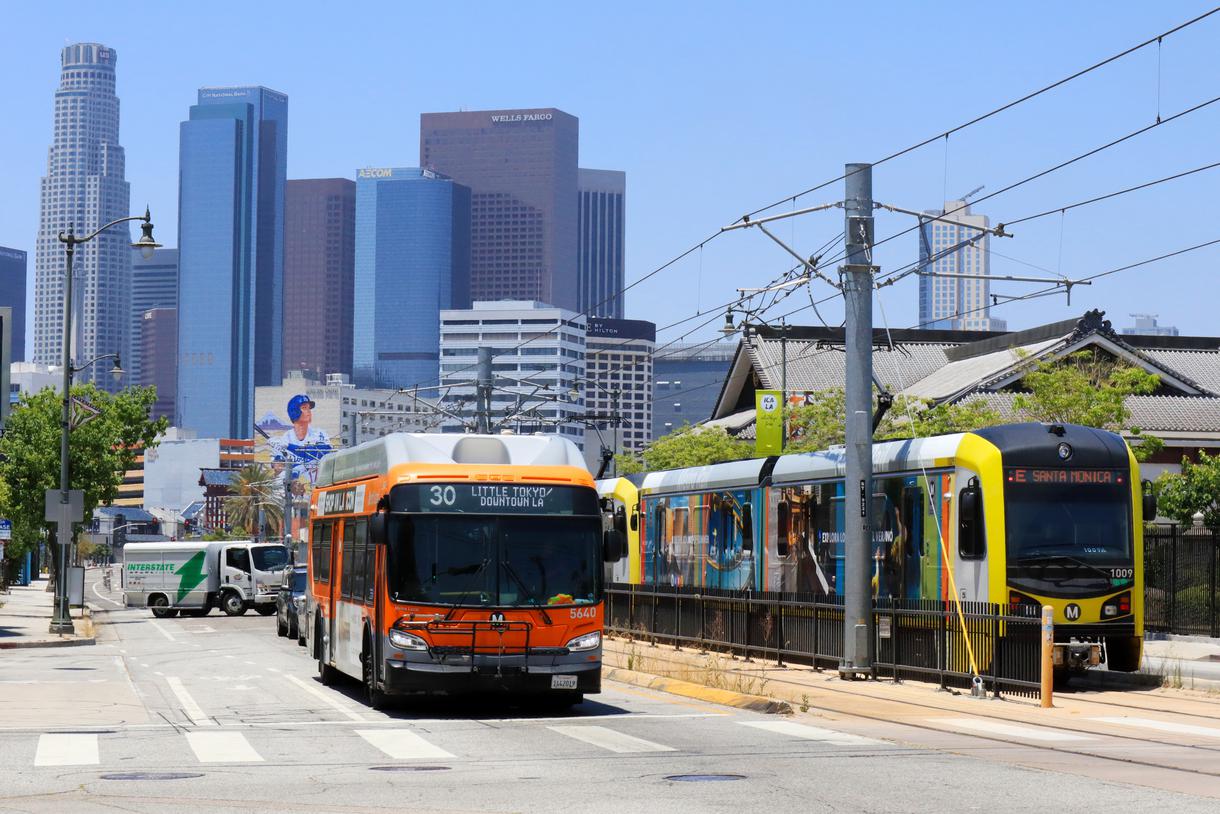
Rail gets the attention, but Metro Bus is the workhorse of LA transit. Hundreds of routes cover neighborhoods and corridors that trains don't reach, making buses essential for most trips.
Two services are especially worth knowing about: the G Line and the J Line. These bus rapid transit routes run in dedicated lanes for much of their journey, offering faster and more reliable service than typical city buses. For many riders, the most effective strategy is combining rail and bus rather than relying on either one alone.
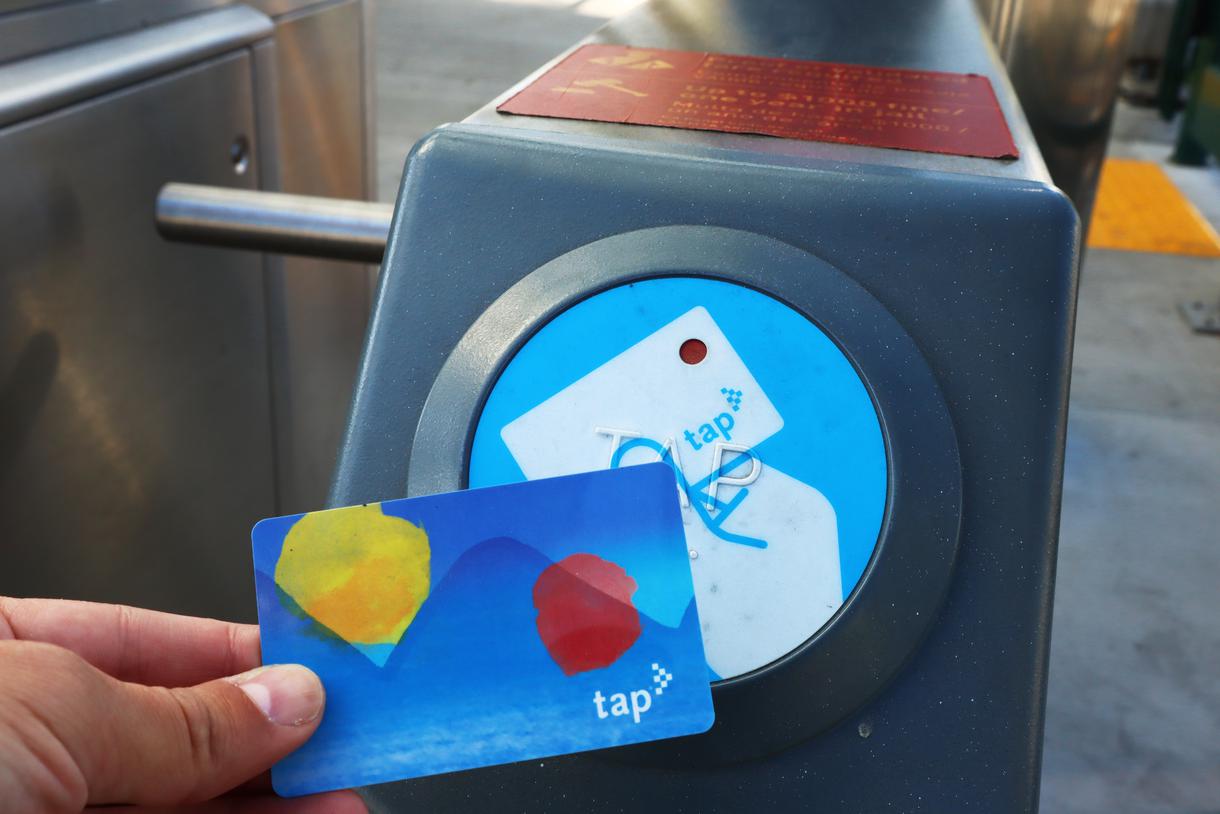
One of the best values in Southern California is Metro's fare system. The base fare is $1.75, and transfers between Metro services are free within two hours when you tap to ride. Riders also benefit from fare capping, meaning you'll never pay more than $5 in a day or $18 within a rolling seven-day period regardless of how many rides you take. There's no need to calculate whether a pass makes sense before you head out.
Payment is straightforward. You can use a traditional reloadable TAP card, available physically at stations or digitally through your smartphone wallet. Metro has also introduced open-loop contactless payments, so you can tap any contactless credit card, debit card or smart device directly at turnstiles or bus fareboxes. Either way, you get the same fare-capping benefits.
For trips beyond the city, Metrolink commuter rail connects Los Angeles with Orange County, the Inland Empire, Ventura County and other parts of Southern California. Amtrak handles longer-distance travel up and down the California coast.
Heading to or from LAX? The FlyAway bus remains one of the easiest airport transportation options, with direct service between the airport and key destinations including Union Station. The expanding Metro rail network also provides growing access to the airport area.
Getting to and from a station is often the biggest challenge in any transit trip. Metro Bike Share operates in several central neighborhoods, and scooters and rideshare services can help bridge the gap between a stop and your final destination. Many station areas, particularly in Downtown LA, Hollywood, Pasadena and Santa Monica, are surprisingly walkable once you arrive.
Download a trip-planning app before you go and check schedules in real time. Build in extra time for transfers, especially during evenings and weekends when service tends to run less frequently. Metro trains and buses are accessible for riders with disabilities, and most stations include elevators and other accessibility features.
Be realistic about expectations too. LA Metro works exceptionally well for trips between major destinations, commuting into dense employment centers, airport connections and sightseeing along rail corridors. If your itinerary involves multiple suburban destinations in a single day, a car may still be the more practical call.
Getting around Los Angeles without a car is far more feasible than most people think. It may not replace driving for every trip, but for a growing number of residents and visitors, it's a viable and often less stressful way to get around.


The leagues, the stadiums, how to watch, how to get tickets. Consider this your starting point.

Fall hands California eight solid reasons to get away from the city glow. Here's what's coming, in order, and where to actually watch from.

From undulating mountains, to coastal expanses, to verdant forests, here are some of the top spots for backpacking in California.

Settled off the California coast, the Channel Islands offer endless adventures. Here are the best things to do and how to get there.