



Your Guide to Watching Pro Soccer in California
The leagues, the stadiums, how to watch, how to get tickets. Consider this your starting point.
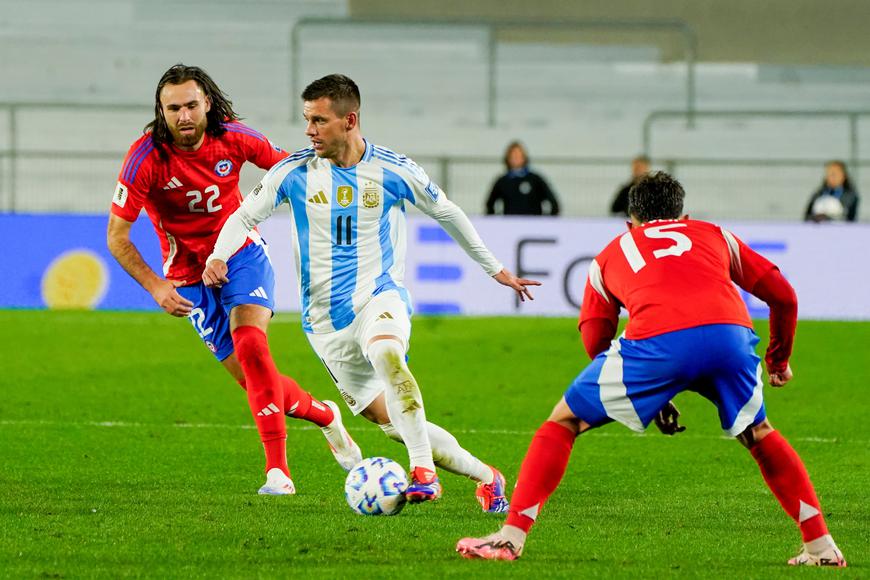
The 2026 World Cup comes to California with matches and events across the Golden State.

4 min read
May 06, 2026
Image Credit: Sobrevolando Patagonia / Shutterstock.com
The 2026 FIFA World Cup is unlike anything the sport has seen before. For the first time in tournament history, 48 teams will compete across 104 matches spanning three countries: the United States, Canada, and Mexico, from June 11 to July 19. And California, with 14 scheduled matches across two venues, will be one of the busiest and most watched destinations in the whole competition.
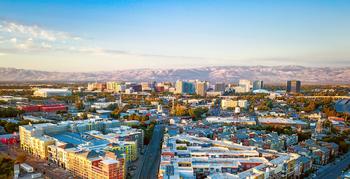
California’s matches will be split between two regions. In the Los Angeles area, games will be played at SoFi Stadium, a modern venue that will host some of the tournament’s most high-profile matches, including knockout rounds. In Northern California, Levi’s Stadium in Santa Clara, in the heart of Silicon Valley just south of San Francisco, will handle the Bay Area’s slate of games.
The expanded format introduces a longer and more layered knockout phase. The group stage will run from June 11 through June 27, followed by the Round of 32 from June 28 to July 3 and the Round of 16 from July 4 to 7. Quarterfinals are scheduled for July 9 to 11, with the tournament concluding on July 19 at MetLife Stadium.
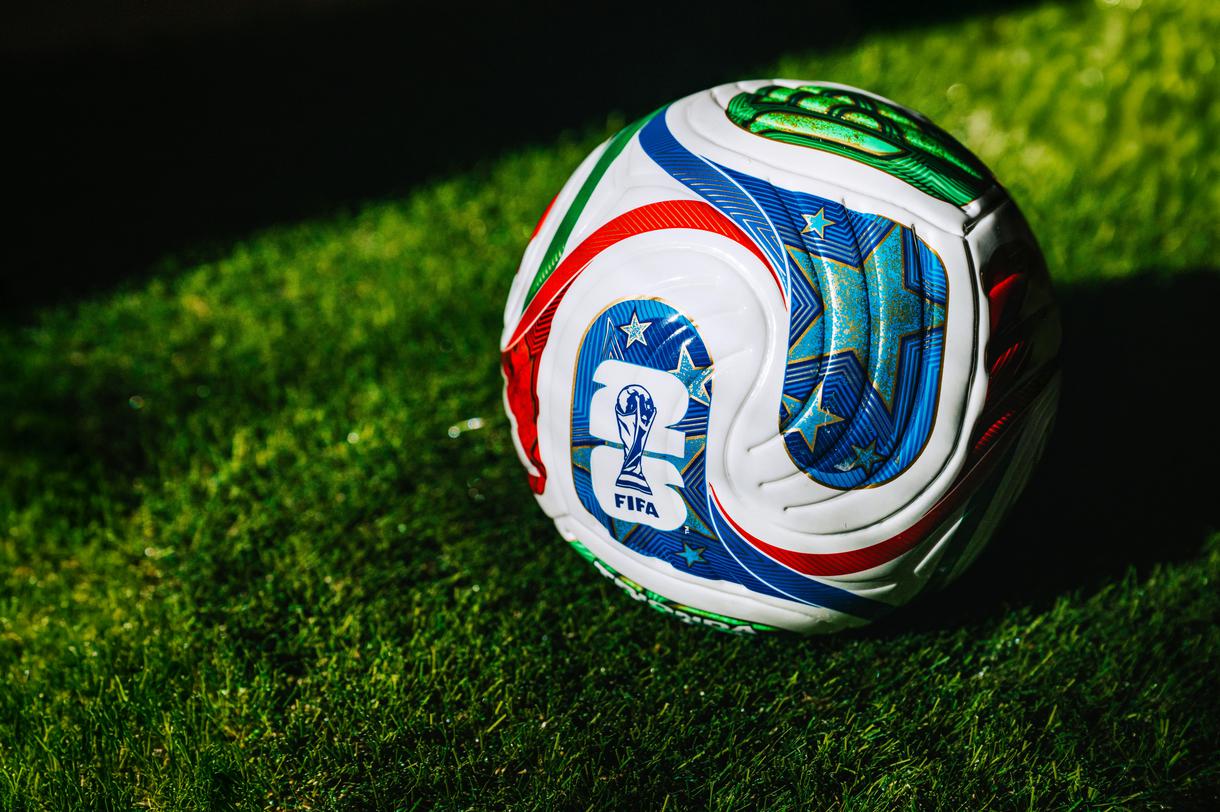
Tickets are sold exclusively through FIFA’s official platform
The process is structured, and demand is expected to be intense, especially for U.S. matches and knockout rounds. Fans enter a registration phase, followed by a lottery for high-demand games, with additional sales windows and a verified resale platform available later.
Even without match tickets, the World Cup experience across California will extend far beyond the stadiums. The 2026 FIFA World Cup will bring large-scale public celebrations, led by official FIFA Fan Festivals in both Los Angeles and the Bay Area.
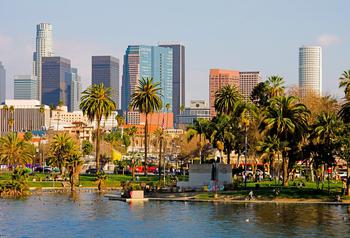
The official FIFA Fan Festival™ Los Angeles will take place at the historic Los Angeles Memorial Coliseum and run from June 11–14, 2026. It will feature live broadcasts of World Cup matches, musical performances, dining that reflects Los Angeles' diverse culture, and interaction football experiences.
Featured matches include:
Beyond the official FIFA Fan Festival, the World Cup atmosphere will spill well outside the main venues. In both Los Angeles and the Bay Area, expect public viewing setups in parks, plazas, and along the waterfront, alongside smaller neighborhood gatherings built around specific teams and communities.
Across the tournament, pop-up soccer events and cultural activations will appear in different parts of each region, often with little notice, adding to the sense that something is happening everywhere at once.
Los Angeles in particular is likely to lean into this on a larger scale, with weeks of programming spread across multiple neighborhoods rather than concentrated in a single district.
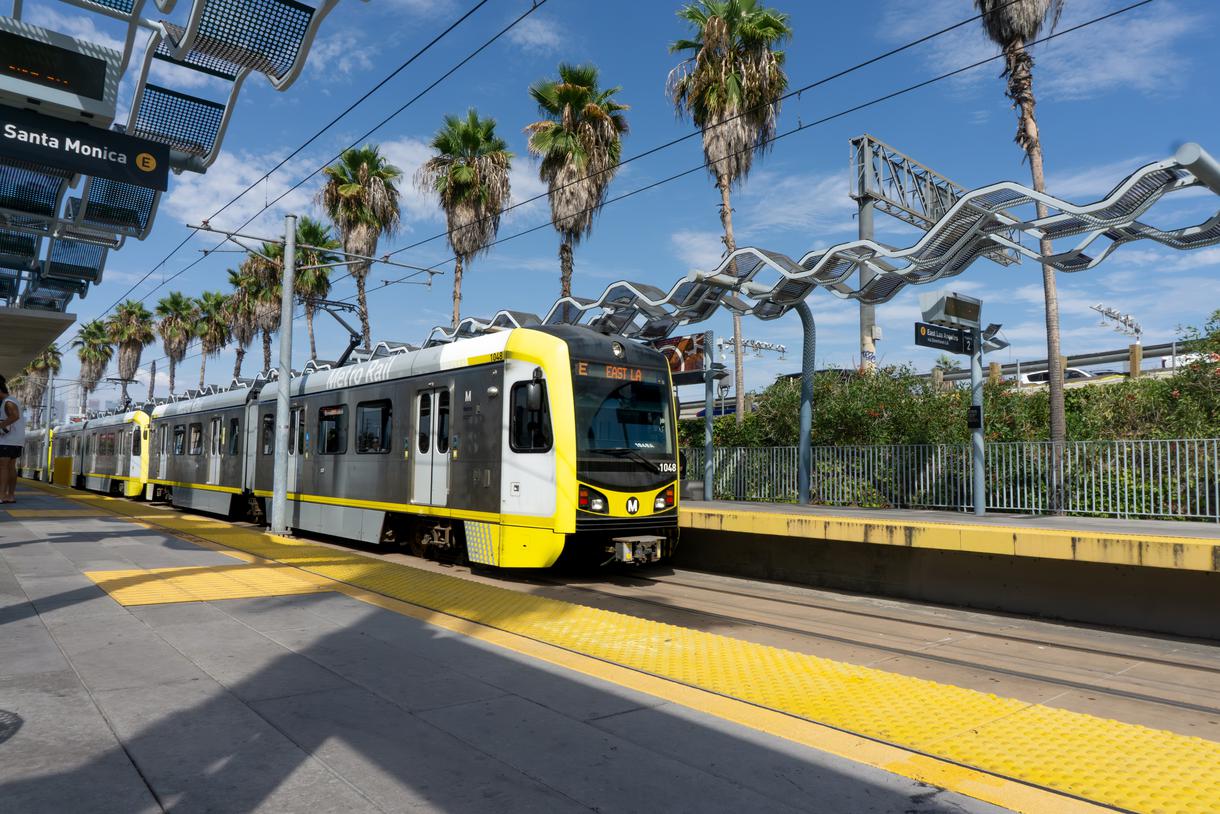
California’s host cities are well connected, with Los Angeles International Airport (LAX), San Francisco International Airport (SFO), and San Jose International Airport (SJC) serving as primary entry points.
Getting to the stadiums will still take planning. In Los Angeles, fans will rely on a mix of transit, shuttles, and rideshare options to reach SoFi Stadium. In the Bay Area, access to Levi’s Stadium runs through Caltrain and VTA Light Rail, with BART not directly serving the venue.
Hotels near match dates fill up fast, and if you're eyeing anything in central Los Angeles or San Francisco, expect to feel that pressure sooner than you'd think. Prices tend to spike around the big fixtures, so locking in a reservation early isn't just smart. It's pretty much necessary.
That said, staying a little outside the city core is worth considering. You'd be surprised how manageable the transit connections can be, and you'll have a lot more options to work with. Just know that once the tournament kicks off, proximity is going to cost you in both cities.
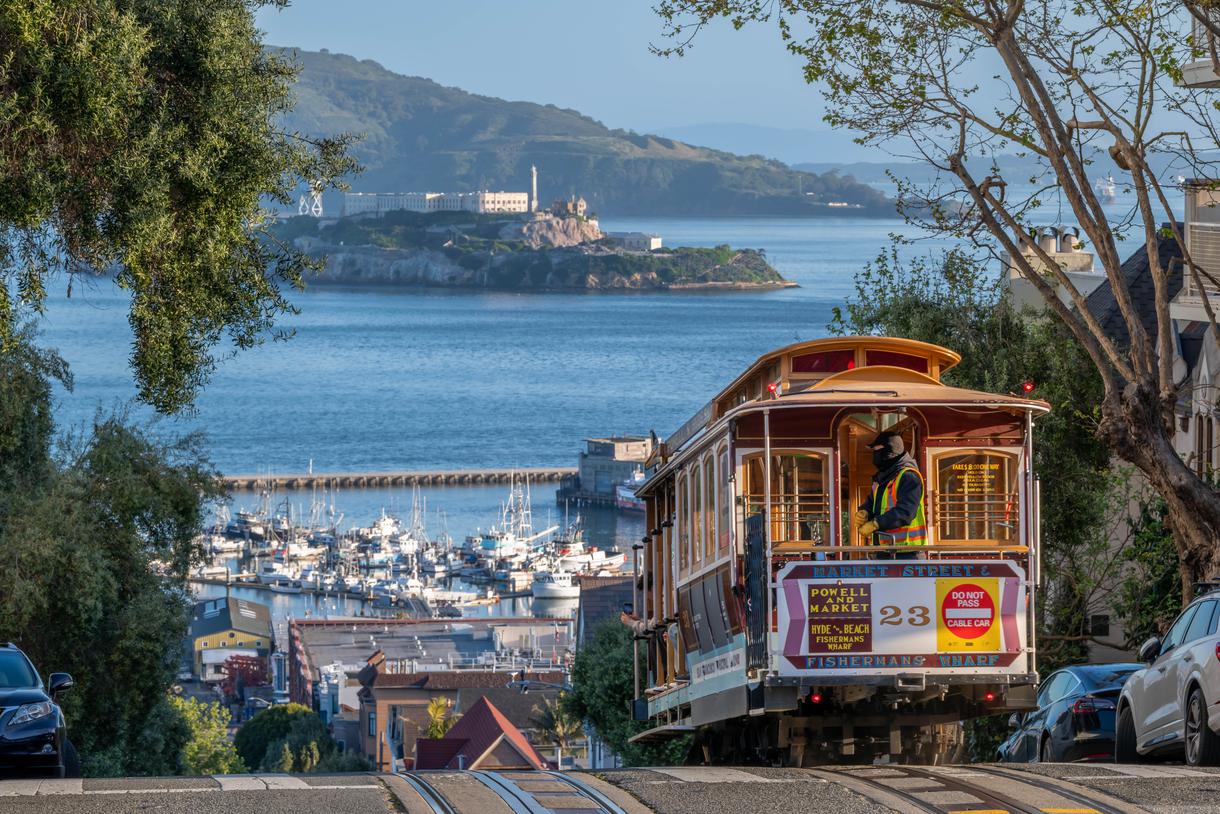
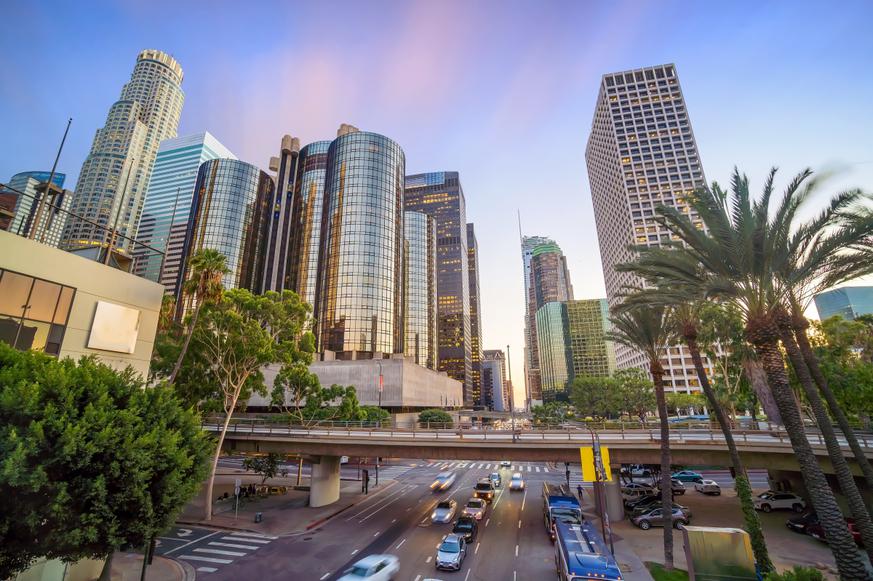
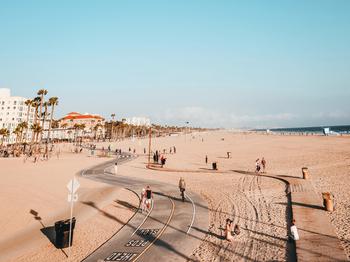
Beaches, iconic neighborhoods, world-class restaurants, and a nightlife scene that runs well past midnight mean the city will keep you busy long after the final whistle. There is always another corner worth exploring, another meal worth making a reservation for.
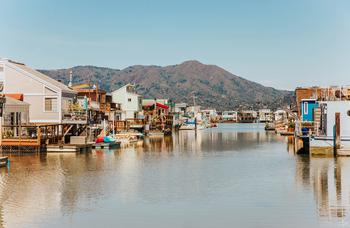
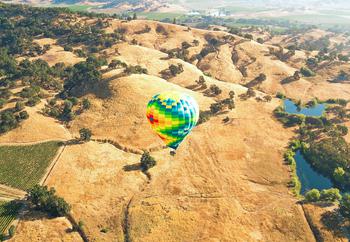
Beyond the tech campuses and the fog rolling over the bay, there is extraordinary food, waterfront culture, and easy day trips to Napa, Sonoma, or the Northern California coast. It is a region that rewards curiosity.
Both cities have world-class museums, live music spilling out of venues large and small, distinct neighborhoods that feel like separate cities entirely, and dining scenes diverse enough to fill a trip on their own. You will not be looking for things to do.
For international visitors especially, pairing the World Cup with time in the Golden State turns a sports trip into something much harder to forget. Most people who come for the games end up wishing they had booked an extra week.
Forty-eight nations, 104 matches and one tournament. California will make sure you remember exactly where you were for it. So, start planning now. The only thing worse than missing a match is missing the whole experience.

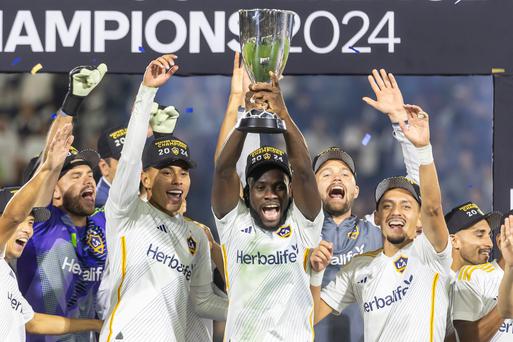
The leagues, the stadiums, how to watch, how to get tickets. Consider this your starting point.
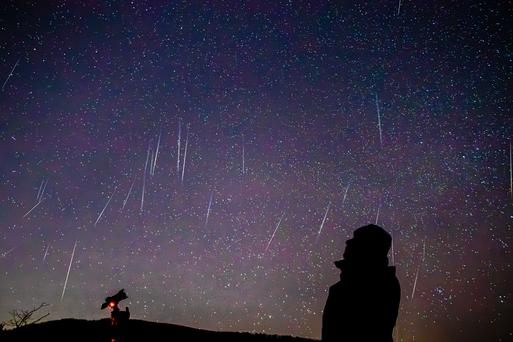
Fall hands California eight solid reasons to get away from the city glow. Here's what's coming, in order, and where to actually watch from.
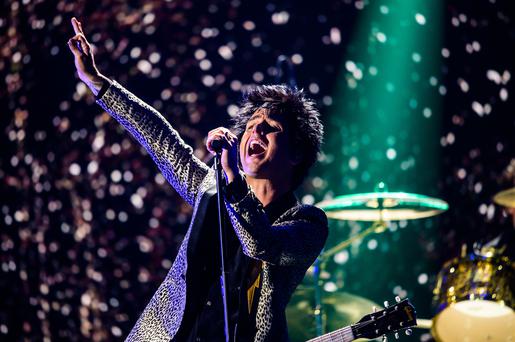
Billy Joe Armstrong returns to his hometown Rodeo for a free performance at a local art festival.
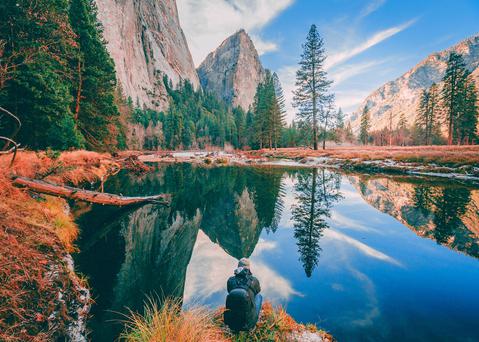
From undulating mountains, to coastal expanses, to verdant forests, here are some of the top spots for backpacking in California.