
Your Guide to Watching Pro Soccer in California
The leagues, the stadiums, how to watch, how to get tickets. Consider this your starting point.
There is no single month. Pick your bird, then pick your window.
3 min read
June 25, 2026
California sits right in the middle of the Pacific Flyway, the aerial highway that carries birds from the Arctic all the way to South America. The Central Valley is the pinch point in that highway, and it hosts roughly 60 percent of the flyway's migratory birds every winter. That is not a small claim, and it is the reason this state is one of the best places in the country to watch bird migration: huge, loud and genuinely easy to find if you know when to show up. One thing worth knowing up front: the flyway is not a single line on a map. It is a wide, branching corridor of wetlands, valleys and coastlines, which is exactly why the best viewing spots are spread across the entire state rather than clustered in one place.
Most people think migration means one big fall event. It is actually three separate shows that stack across the calendar: fall and winter waterfowl and cranes, midwinter raptors and eagles, and spring shorebirds. Mono Lake throws in a fourth that breaks the pattern entirely, arriving in the middle of summer. Here is where to catch each one.
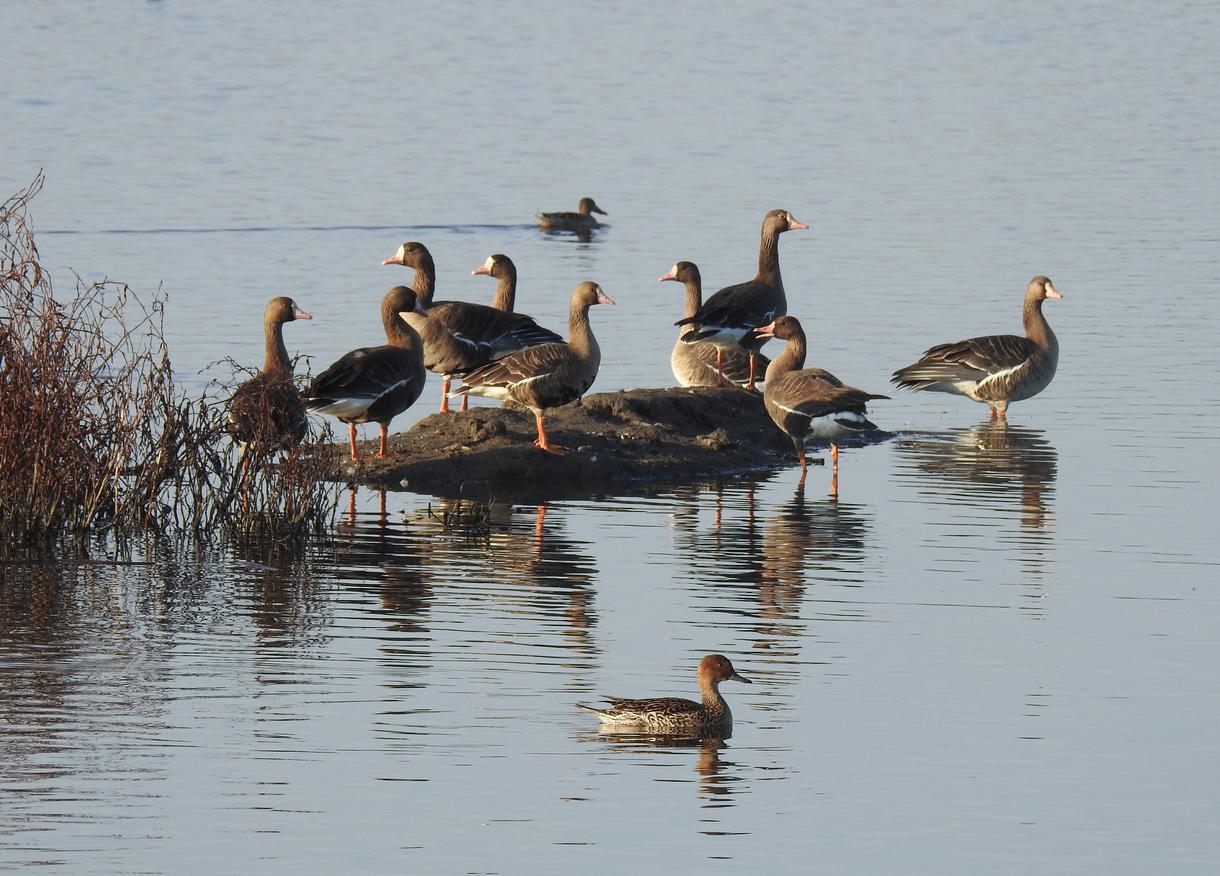
This is the easiest entry point into Pacific Flyway California birding. The refuge sits right off Interstate 5 near Willows and has a six mile auto tour loop plus paved trails, so your car doubles as a viewing blind. No hiking boots required.
What you will see: tens of thousands of snow geese, white fronted geese and northern pintails covering the wetlands.
Best time: November through December. Go in the late afternoon and stay for the dusk liftoff, when the sky fills with birds all at once. Check current conditions on the Sacramento NWR Complex page before you drive out.
This is the spot for the iconic sandhill crane experience. Lesser sandhill cranes stand almost four feet tall and have a rattling call you will hear before you see them.
The highlight is the evening fly in, when hundreds of cranes drop into shallow water together to roost for the night. The Lodi Sandhill Crane Festival runs November 6 to 8, 2026, and is built around exactly this moment. Outside the festival, head to Woodbridge Ecological Reserve at Staten Island or the Cosumnes River Preserve around sunset and park at the marked viewing areas.
Best time: October through February. Festival details and tour schedules are on the Lodi Sandhill Crane Association site.
This is the heavyweight of the flyway. Historically, up to 80 percent of the flyway's waterfowl have passed through these basin wetlands, and it also holds the largest wintering population of bald eagles in the lower 48 states.
One thing worth knowing before you drive up: water levels here have been unstable. Parts of Lower Klamath and Tule Lake dried out completely between 2019 and 2022 before recent water allocations brought partial recovery. Check the Klamath Basin refuge conditions page before you go, since this landscape changes fast.
Best time: October for waterfowl, January through February for bald eagles.
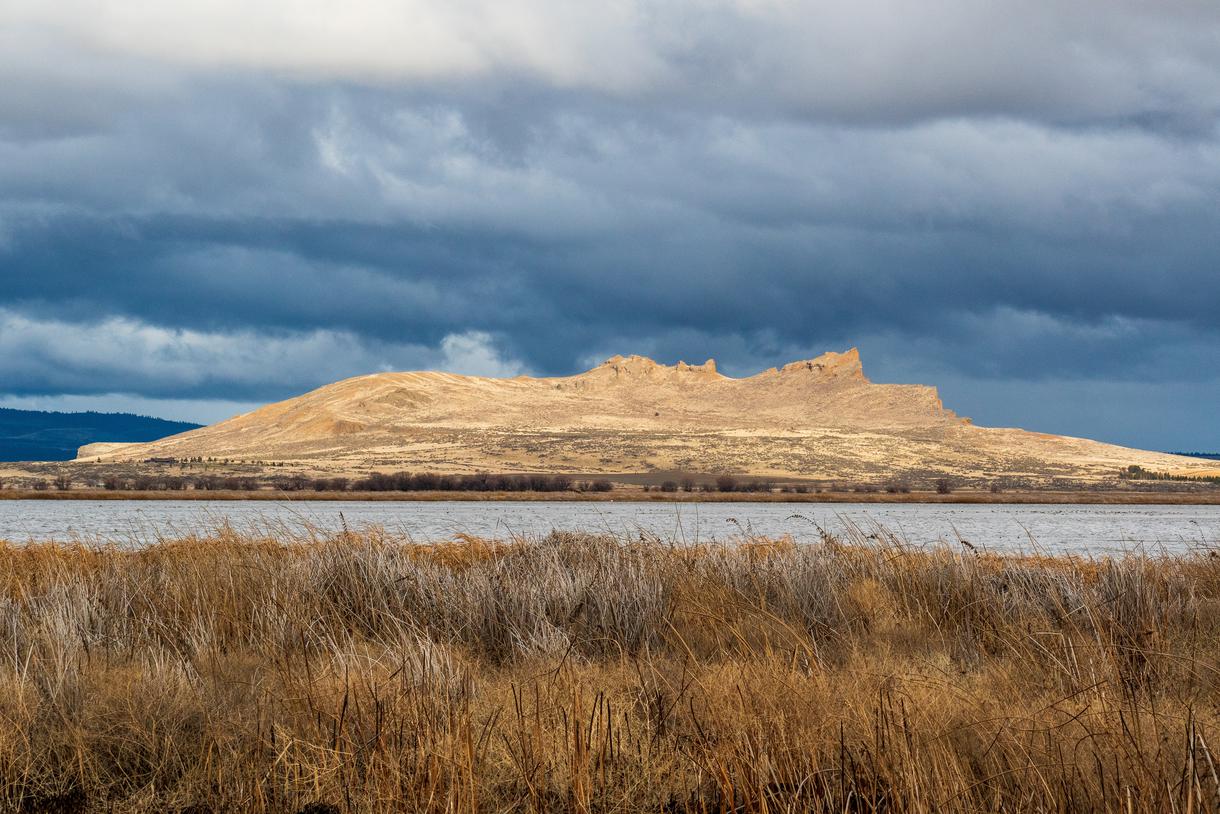
You do not need to leave the city for this one. The mudflats around the Bay are a refueling stop for shorebirds on long hauls between hemispheres.
Look for sandpipers, willets, godwits and curlews working the tide line at places like the Don Edwards San Francisco Bay refuge in Alviso or the Hayward Regional Shoreline, both accessible from the Bay Trail. Time your visit to a rising tide. It pushes feeding birds closer to shore.
Best time: April to May and again in September to October.
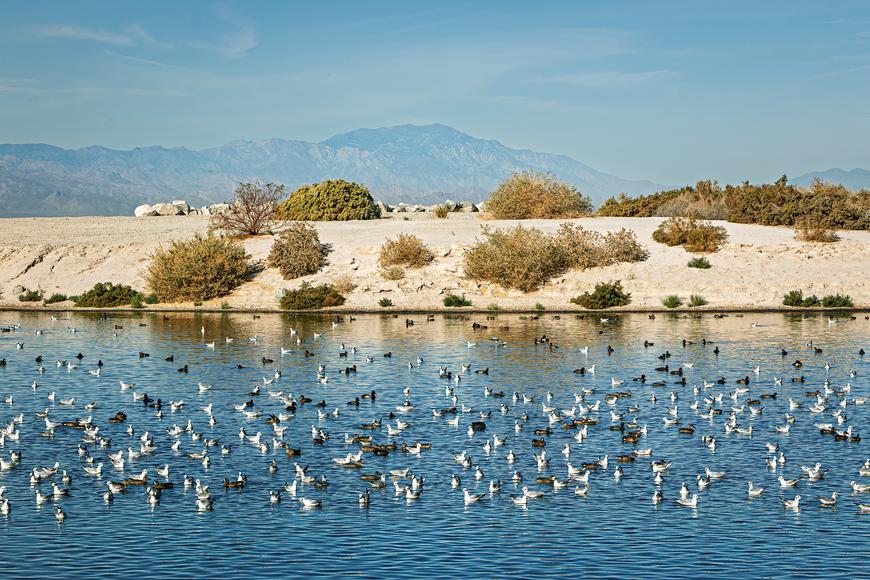
The Salton Sea is shrinking and under real ecological strain, so this is not a polished, permanent sanctuary. It is a landscape in transition, but it still matters as a stopover for eared grebes, white pelicans and burrowing owls in the desert interior. Check current trail conditions on the Sonny Bono Salton Sea NWR page before heading out.
Best time: November through February.
Skip the assumption that migration stops in summer. In July and August, tens of thousands of Wilson's and red necked phalaropes land on Mono Lake to gorge on alkali flies and brine shrimp, doubling their body weight before flying nonstop to South America. Visit the South Tufa area, detailed on the California State Parks Mono Lake page, to watch them spin in small circles on the water, which stirs up their food.
Dawn and dusk are when the action happens. Arrive an hour before sunrise or stay 30 minutes past sunset, the times refuges themselves recommend for wildlife viewing. A standard pair of binoculars is enough gear. And since refuge conditions shift with rain and water management, always check live alerts the morning of your trip rather than assuming a spectacle is guaranteed.
There is no single month. Pick your bird, then pick your window: waterfowl peak in November and December, cranes run October through February, eagles hit their stride in January and February, shorebirds pass through in spring and fall, and Mono Lake's phalaropes show up out of nowhere in July and August.


The leagues, the stadiums, how to watch, how to get tickets. Consider this your starting point.
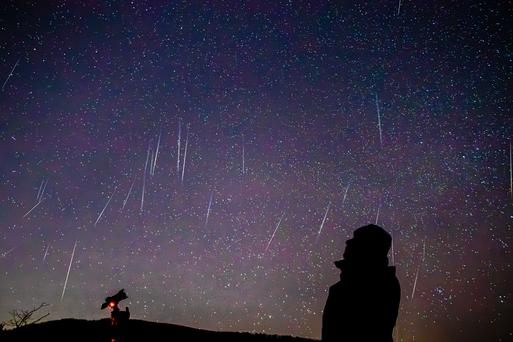
Fall hands California eight solid reasons to get away from the city glow. Here's what's coming, in order, and where to actually watch from.
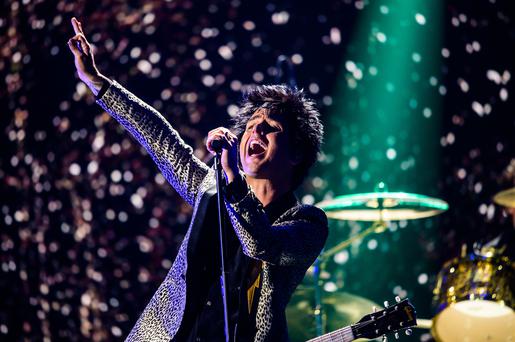
Billy Joe Armstrong returns to his hometown Rodeo for a free performance at a local art festival.
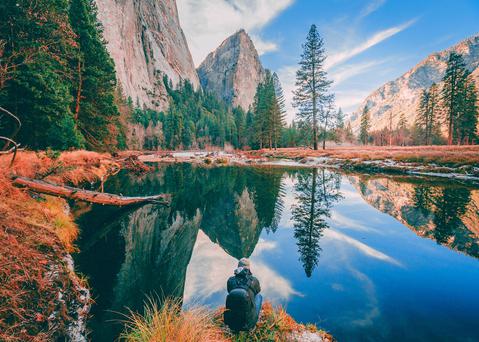
From undulating mountains, to coastal expanses, to verdant forests, here are some of the top spots for backpacking in California.