










Your Guide to Watching Pro Soccer in California
The leagues, the stadiums, how to watch, how to get tickets. Consider this your starting point.
We delve into some of California's most interesting facts.

7 min read
February 05, 2026
How long is the California coast? Different sources give different numbers; that’s the coastline paradox. Coastlines are full of detail, and their length depends on your ruler and how closely you look. The smaller your ruler, the longer the shoreline appears. So, how many miles of coastline does California have? Let’s dive into some official numbers.
California's Coastline Measures Approximately 840 Miles: Stretching from the soft, sandy shores of San Diego near the Mexican border to the misty, forested coasts of Del Norte County at the Oregon border, California's coastline spans about 840 miles.
This measurement covers the general outline of the state's coastline along the Pacific Ocean, making it one of the longest coastlines in the United States. According to the National Oceanic and Atmospheric Administration, the coastline stretches 3,427 miles, including bays, islands, and inlets.
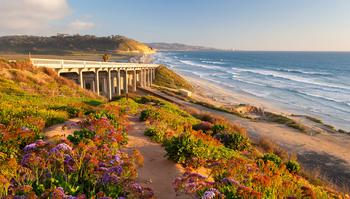
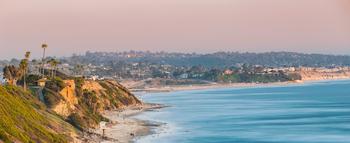
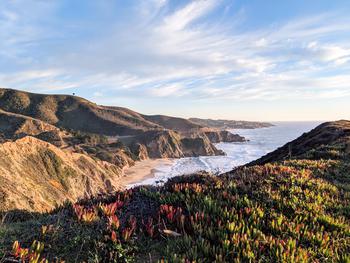
The iconic shoreline boasts stunning Pacific Ocean vistas, featuring rocky cliffs, coastal bluffs, and expansive beaches. Wherever you choose to go, you can’t go wrong.
The coastline is dotted with unique geological formations, including the renowned sea stacks at Mendocino Headlands State Park and the natural bridges of Santa Cruz. These formations are the result of millions of years of erosion and geological activity.
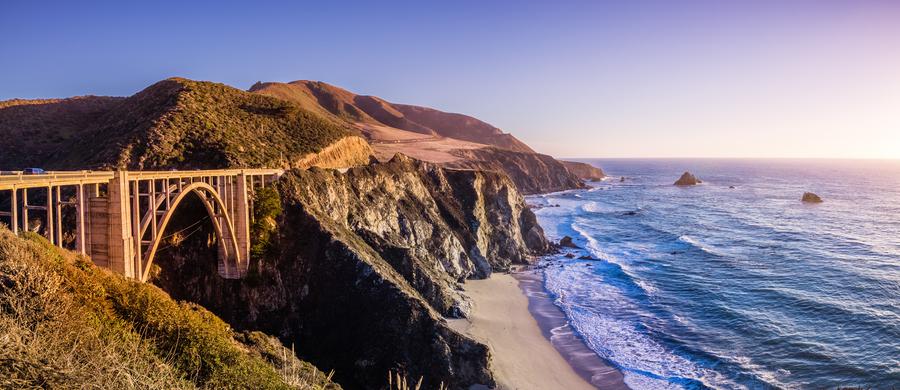
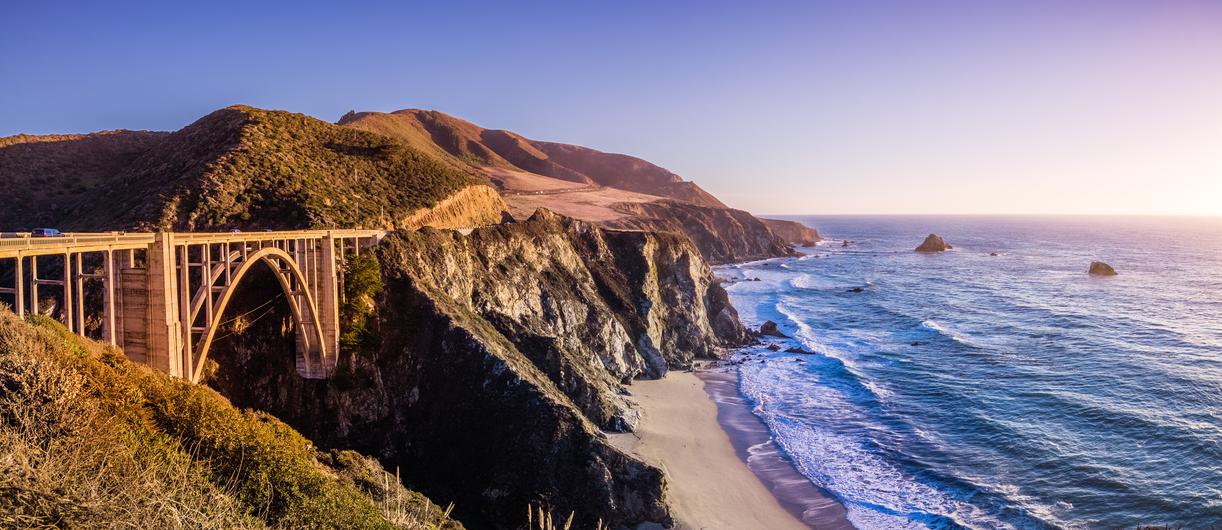
From Big Sur to Ragged Point, California’s coastline unfolds in panoramas of raw natural beauty. Dramatic bluffs, sun-kissed sands, and the perfect wave, California’s coast is an endless ribbon of beauty that keeps attracting crowds.
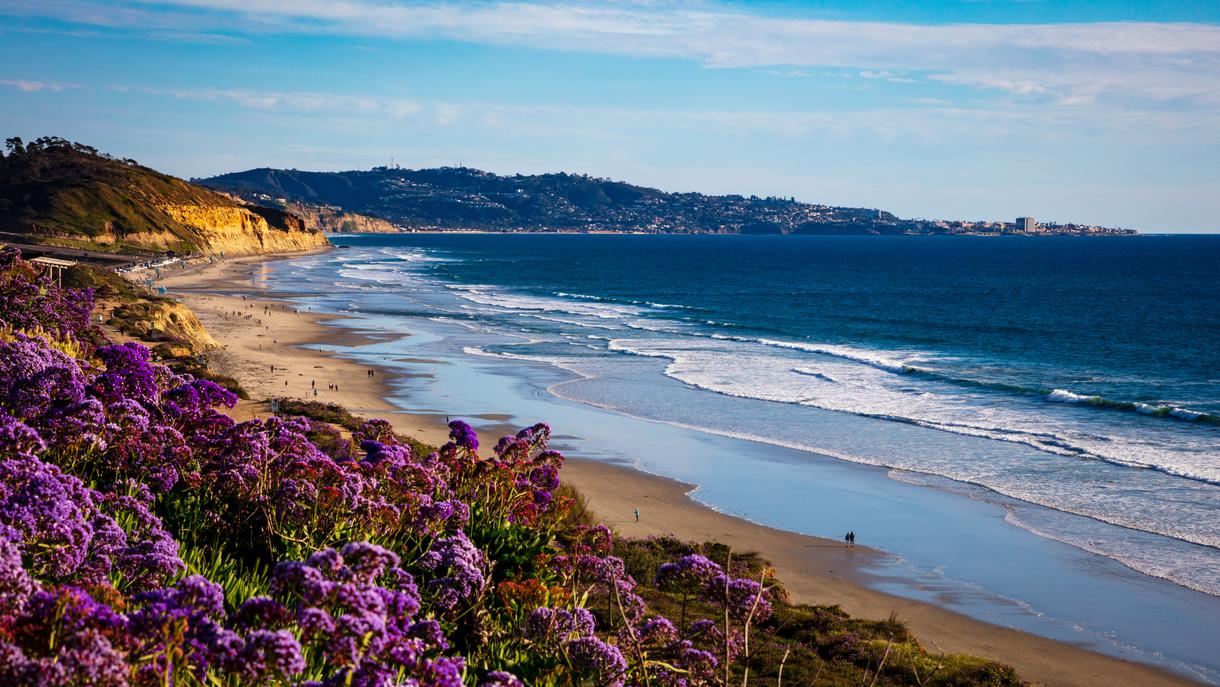
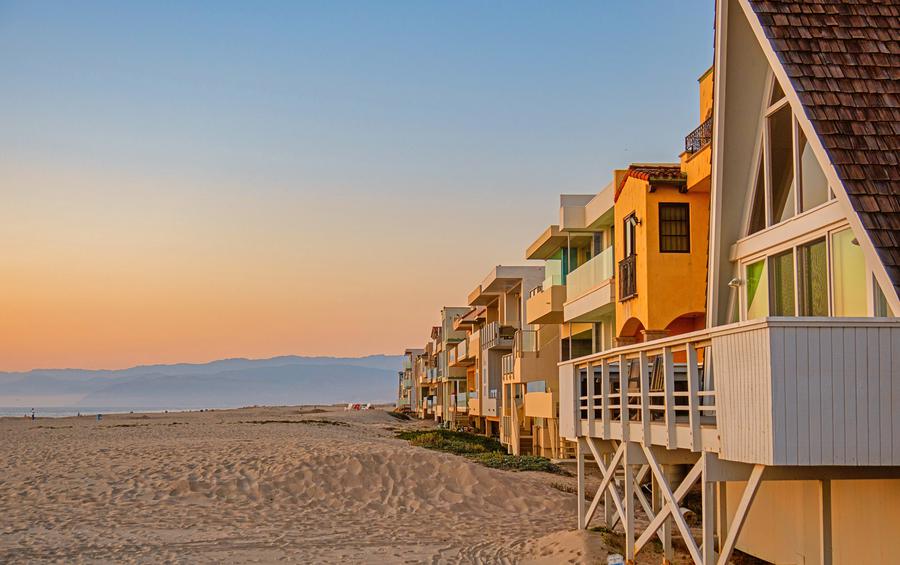
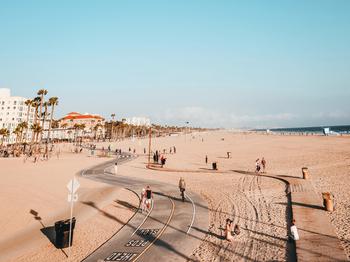
The California coastline is famous for its sandy beaches, wild waves, beautiful scenery, and balmy weather. Santa Monica Beach is a renowned beach in California, offering plenty of sandy shores, a variety of attractions, and activities.
Another place famous for its fabled beaches is dreamy Laguna Beach. Here you’ll find low-key indulgence amid a historic and cultural atmosphere, along with warm, pristine waters.
Who hasn’t heard of legendary Malibu, the home to some of the most sought-after beaches in Southern California? Malibu is listed among the most desired beach destinations in the state.
The waters of the California coast are home to numerous marine mammals, including gray whales, blue whales, sea lions, and seals. To ensure future generations can still experience such wildlife, California implemented measures.
To save marine habitats and their biodiversity, California has established a network of Marine Protected Areas (MPAs) along its coast. These protected areas are crucial for conserving marine ecosystems and ensuring the sustainability of California's marine resources.
The extensive coastline is dotted with 427 sprawling beaches, stretching along the Pacific Ocean. From the iconic Santa Monica to the atmospheric Big Sur, both are paradises for beach lovers and nature enthusiasts. Over 150 million guests and residents come annually to swim, surf, dive, and wade.
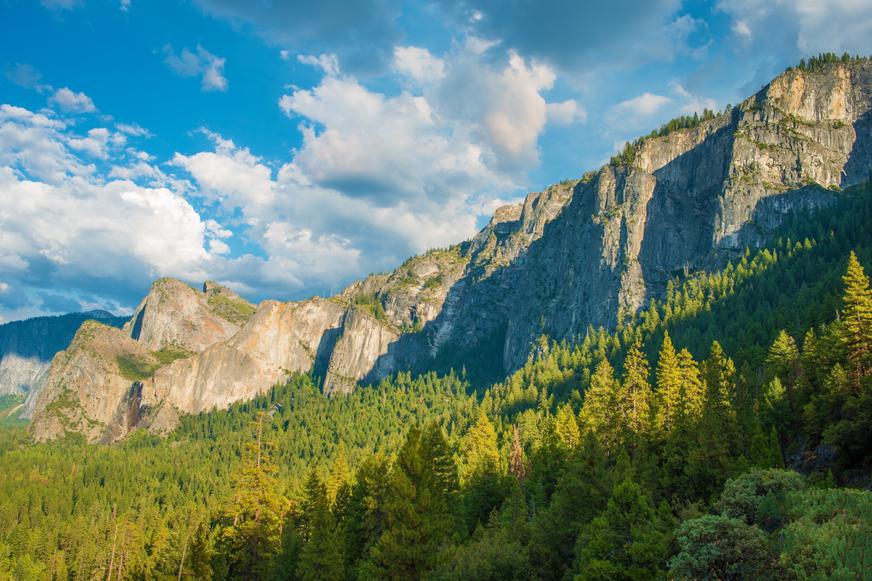
The scenic California coast will fascinate you not only with golden shores but also with rugged mountain scenery. The California ranges stretch along the Pacific coast from Oregon to Southern California and are home to diverse ecosystems, such as redwood forests and oak woodlands. The highest point is Junipero Serra Peak, which rises to about 5,862 ft.
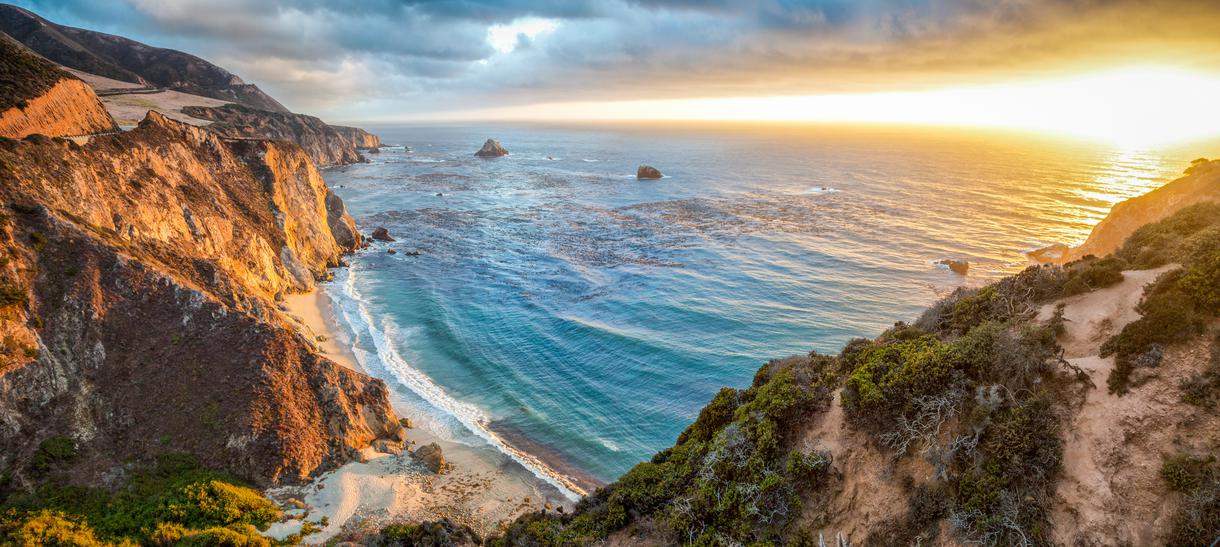
A silvery mist often blankets California’s coastline. The drifting banks of damp grey appear due to the combination of oceanic and atmospheric conditions. The coastal fog creates a distinct microclimate, making some cities foggy and cool while trapping heat in inland areas like San Jose.
The California coast is one of the perfect places to watch a great wildlife spectacle: the gray whale migration. Every March, these majestic creatures leave their southern nursery lagoons and head to the Arctic grounds of the Arctic. You can see gray whales from a variety of places, such as Monterey County, Santa Cruz, and San Diego.
The California coast is both sinking and rising due to tectonic activity, groundwater pumping, and sediment compaction. The latest satellite-based study shows uplift hotspots in the Santa Barbara groundwater basin and in Long Beach, in areas of oil and gas production. Marine terraces along the California coast also registered a record-long-term uplift of the land.
A source of inspiration for everyone who visits, Northern California boasts redwood forests, breathtaking beaches, and charming towns. You can start your visit to the rugged coastline in Eureka, which offers a blend of natural beauty and historic charm.
Another coastal town to visit is Mendocino. With turquoise ocean views, rich wildlife, Victorian architecture, and lighthouses, this place will keep you returning over and over again.
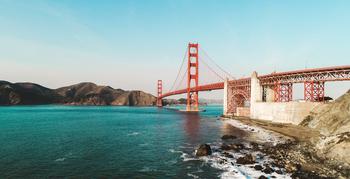
San Francisco is one of the most iconic California coastal cities, famous for its vibrant neighborhoods, a dynamic waterfront life, and a world-class cuisine. Must-sees include the Golden Gate Bridge, Alcatraz, and a variety of world-class museums.
California’s central coast offers beaches, culture, and nature. The city of Monterey has a rich history, timeless scenery, excellent dining options, and abundant ocean wildlife.
The raw beauty and wild maritime energy make Big Sur another gem of the central coast. You’ll be fascinated with memorable ocean vistas, luxury hotels, restaurants, and redwood-filled state parks.
San Luis Obispo is one of the most appealing places in central California to see. In this vibrant town, you’ll find blocks of historic buildings full of art and culture as well as great outdoor adventure opportunities.
Southern California is where breathtaking natural beauty merges with the modern world. A vibrant example of a Southern California beach town is Santa Monica, bustling with adventures, style, and art.
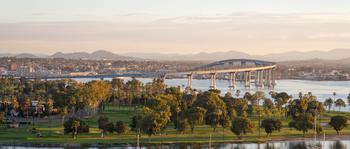
Another must-see is San Diego with stunning ocean-sprayed scenery, top-notch restaurants, and historical and cultural neighborhoods. The city boasts a myriad of beaches, surf spots, and other aquatic attractions.
Laguna Beach is a year-round retreat for outdoor adventurers, art lovers, and beachgoers. This hidden gem boasts dramatic vistas, marine sanctuaries, and verdant hills. It’s often called the Riviera of America for its secluded coves and beaches.
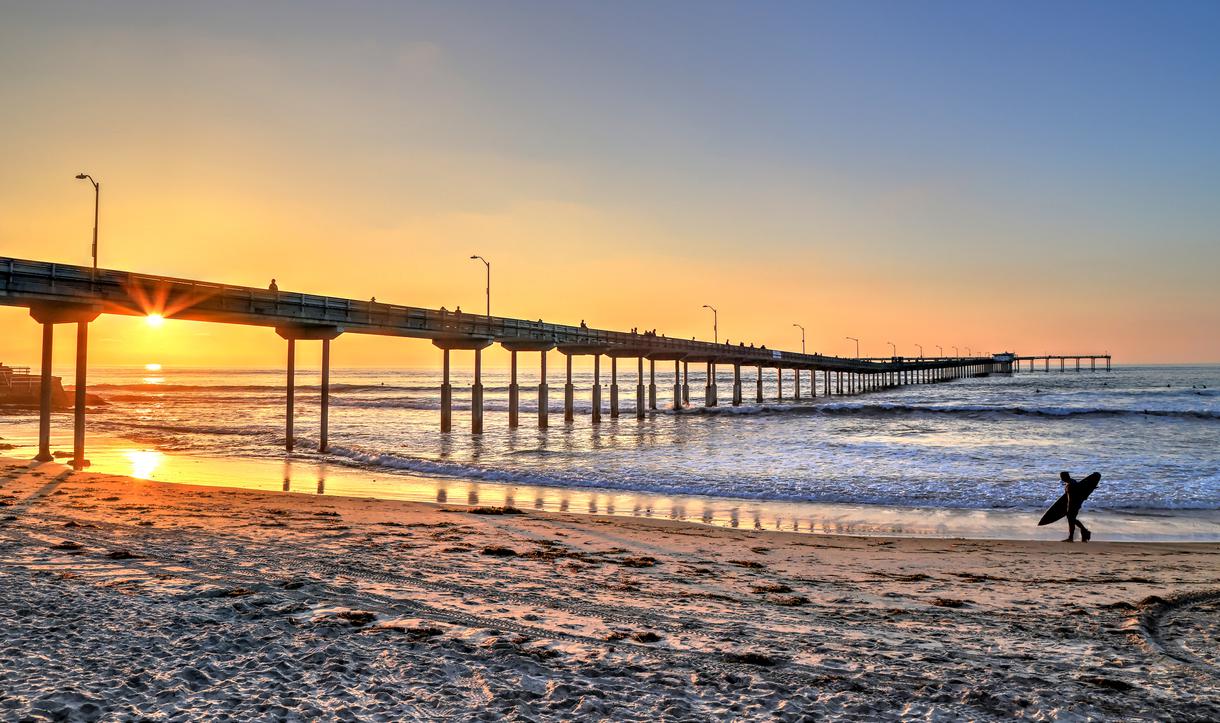
California is popular for sunshine and heat. However, driving down the coast, you can meet a surprise - the marine layer. Also known as May gray or June gloom, it refers to the hazy layer of moisture sandwiched between the ocean and warmer air above. The marine layer usually forms in the morning and burns off as the day warms. This misty veil is especially important for coastal California as it provides much-needed moisture during the dry season.
California has diverse weather patterns due to geography, topography, and proximity to natural features. For example, coastal areas like San Francisco have cooler temperatures, while inland areas like Walnut Creek experience warmer weather.
Microclimates create weather conditions that can be both a blessing and a challenge for tourists and residents. The existence of microclimates can create such a variation in weather that a short drive may start in cool conditions and finish in warmer temperatures.
Beyond its natural beauty and cultural energy, the California coastline is an ideal place to slow down and enjoy an inspiring drive. One of the most scenic roads in the world, the legendary Pacific Coast Highway, hugs about 600 miles of California's beautiful and rugged coastline.
The road offers picturesque panoramas, plenty of beaches, attractions, and restaurants. This trip runs through the heart of California and includes iconic stops like the Golden Gate Bridge, the Monterey Bay Aquarium, Big Sur, and the Bixby Creek Bridge.
Highway 101, another iconic road, stretches over 1,500 miles from Los Angeles to the Olympic Peninsula. The highway winds past some of America's breathtaking scenery, featuring golden beaches, rugged cliffs, and redwood forests. Must-visits include Hurricane Ridge, Kalaloch Beach, Lake Quinault, Astoria, and many others.
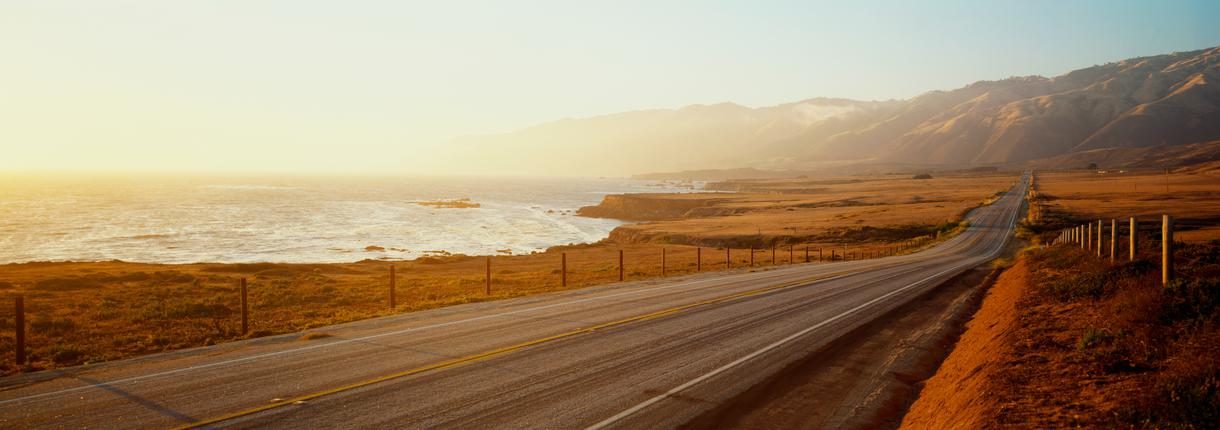
California has a Mediterranean climate with mild winters and dry summers. On the coast, the daily high temperature can reach up to 70 or 80 degrees in summer, while freezing temperatures almost don’t happen even in winter.
Each season has its own flavour, offering various options to enjoy the Californian coastline. The prime time for California, of course, is summer with long and sunny days perfect for surfing, sunbathing, and more. Fall on the coastline isn't falling behind, with pleasant weather and quieter beaches.
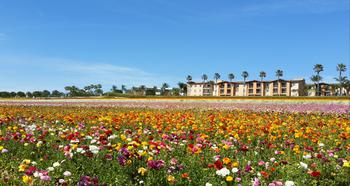
From the rugged cliffs of Mendocino to the sunbathed beaches of San Diego, there’s always something happening on the California coast. Watch whales migrating, explore wildflower fields, surf wild waves, and ski in the mountains. It's never boring on the shoreline.
California is synonymous with a world-famous tourist destination. It flocks together surfers, sunbathers, beachcombers, and hosts the largest coastal population in the continental US. However, these breathtaking vistas and beaches face an uncertain future.
Researchers state that 24 to 75 percent of California's beaches could become completely eroded by the end of the century. Today, 85 % of the California coast experiences active erosion due to natural causes.
The erosion is estimated to cause $500 million in coastal property losses each year, including land loss and damage to structures. Additionally, human activities unbalance native systems and accelerate erosion.
To preserve California's coast and ocean resources, a statewide network of marine protected areas was established. MPAs protect the integrity of marine ecosystems, providing a sanctuary for marine life and helping conserve biological diversity.
In addition, to keep the long-term stability of the coastline, the California Coastal Act was designed. The legislation ensures any approved development on the shoreline has a minimal environmental impact. By limiting human activities near dunes, cliffs, and wetlands, the Act reduces erosion and safeguards natural coastal processes.


The leagues, the stadiums, how to watch, how to get tickets. Consider this your starting point.
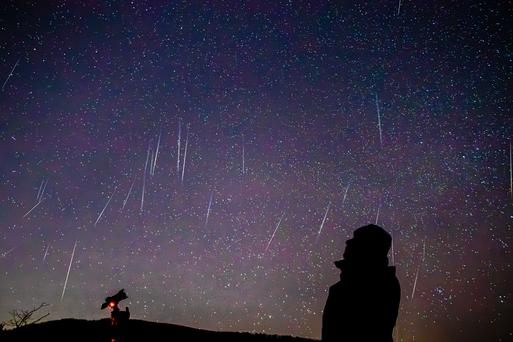
Fall hands California eight solid reasons to get away from the city glow. Here's what's coming, in order, and where to actually watch from.

Billy Joe Armstrong returns to his hometown Rodeo for a free performance at a local art festival.
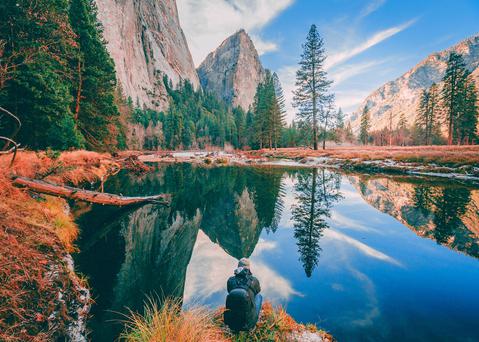
From undulating mountains, to coastal expanses, to verdant forests, here are some of the top spots for backpacking in California.