










Fun and Free Things to Do in San Francisco
If you're looking for something fun to do, there are plenty of fun and free things to do in San Francisco, use our guide to help make plans.
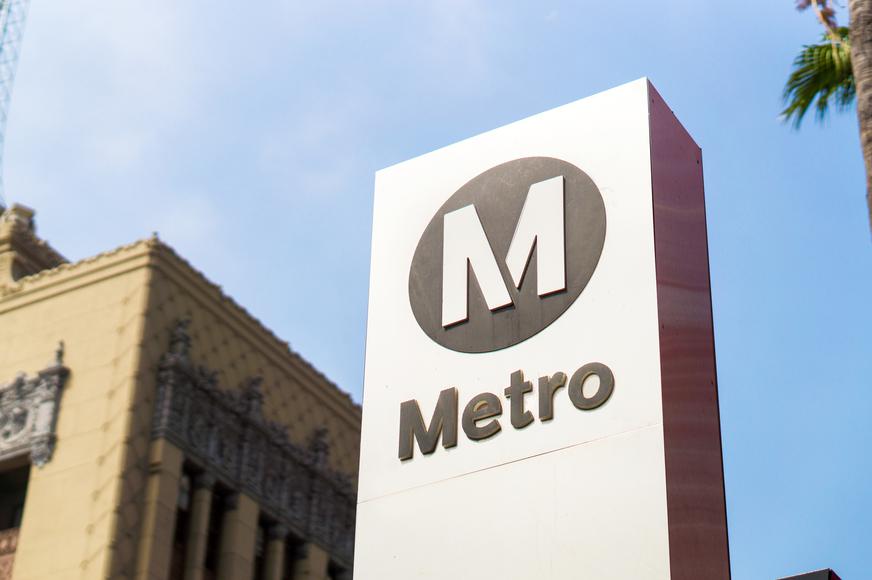
Become a Los Angeles Metro wizard with these tips and tricks on how to best get around on the light rail.

4 min read
May 09, 2023
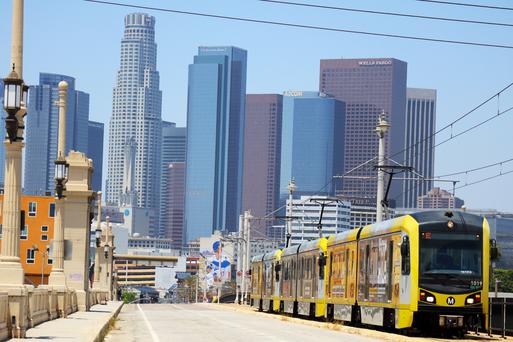
For both visitors and new residents, Los Angeles can be an intimidating city to explore. The legendary traffic often lives up to its name, and the vastness of the city can be overwhelming at first. One of the best ways to get around while avoiding the need to drive is by using the Los Angeles Metro Rail system. With six rail lines connecting many of the region’s most popular destinations, Metro makes it easy to travel throughout the city affordably and efficiently.
Let us help smooth your journey with everything you need to know about riding Metro in Los Angeles.
Besides avoiding crowded freeways, the Los Angeles Metro system is a convenient option for anyone exploring the city on a budget or looking for a more environmentally friendly way to travel. Metro Rail connects many of Los Angeles’ most popular neighborhoods, attractions, business districts, and transit hubs, making it a practical alternative to driving.
Whether you're commuting to work, heading to a sporting event, visiting Hollywood, or spending a day at the beach, Metro can help you get there without the stress of parking and traffic.
Metro uses a fare-capping system that automatically limits how much riders pay each day and week. Current Metro fares are:
Once you reach the daily or weekly cap, additional rides during that period are free.
Metro also offers discounted fares for eligible riders, including seniors, students, low-income riders, and people with disabilities. Many K–12 students can ride free through the GoPass program. Check the Metro website. for current eligibility requirements and enrollment information.
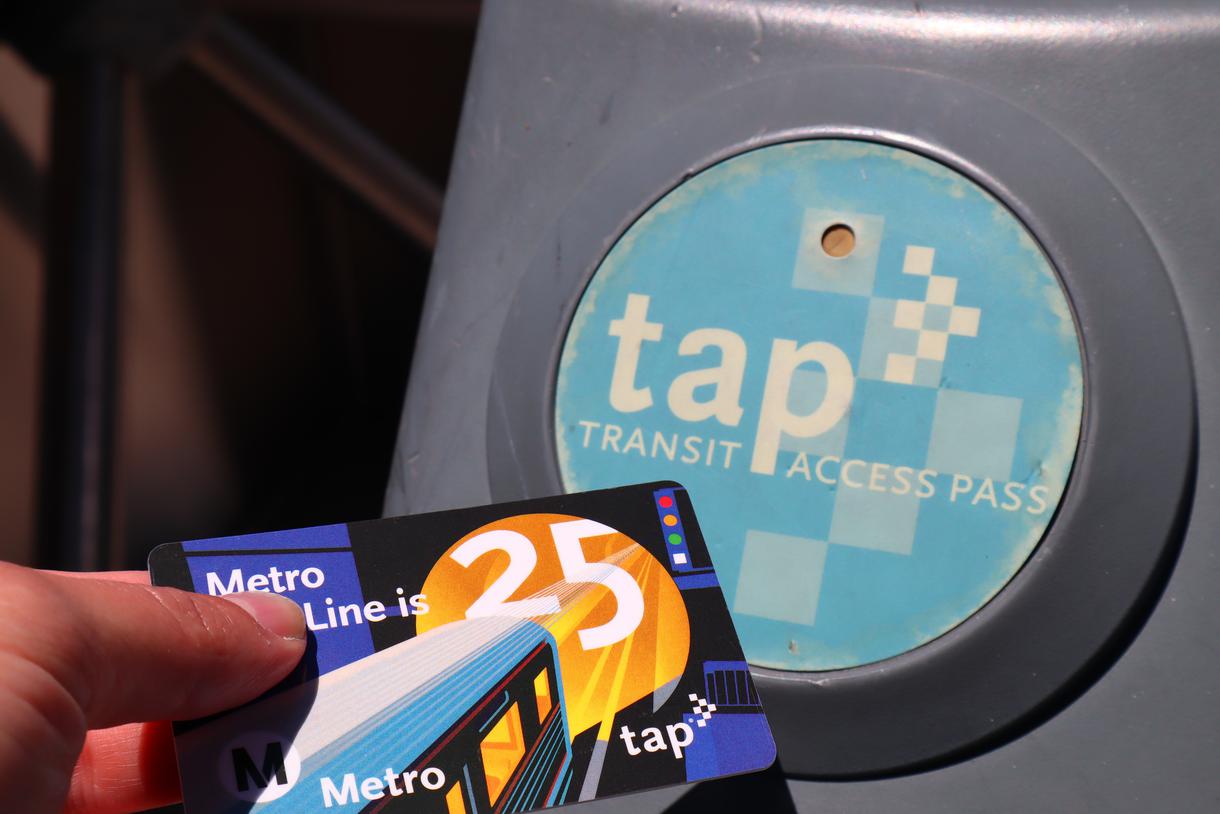
Paying for your ride is incredibly flexible, and you no longer even need to purchase a dedicated transit card to ride. You can pay using:
Standard full-fare riders can simply tap their everyday credit card or smartphone at any fare gate or bus validator to board. If you prefer to use a physical TAP card, they can be purchased and reloaded with cash or stored value at Metro Rail stations.
Before boarding, simply tap your card or payment device at the fare gate or validator. Proof of payment is required throughout the Metro system, and fare inspections may occur at any time.
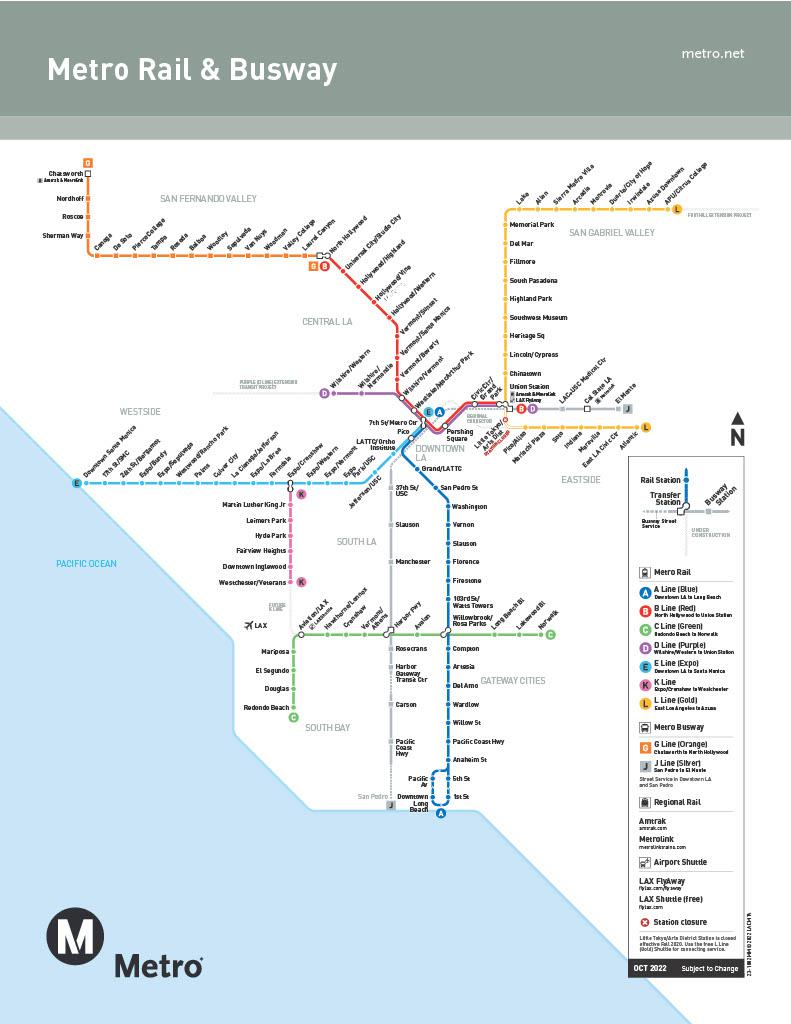
Metro Rail consists of six rail lines and more than 118 stations serving Los Angeles County. The system connects downtown Los Angeles with Long Beach, Santa Monica, East Los Angeles, North Hollywood, the South Bay, and the growing transit network serving the LAX area.
Most Metro Rail lines operate from early morning until after midnight, though exact first and last train times vary by route and day of the week. Riders should check the official LA Metro app or the Transit app for the most current schedules.
The six Metro Rail lines include:
For riders who prefer visual trip planning, Metro provides system maps and real-time travel information through its website and mobile applications. Metro Rail can also connect travelers to regional transportation options, including Amtrak's Pacific Surfliner service and Metrolink commuter rail lines. When rail service does not reach your final destination, Metro's extensive bus network can help complete the journey.
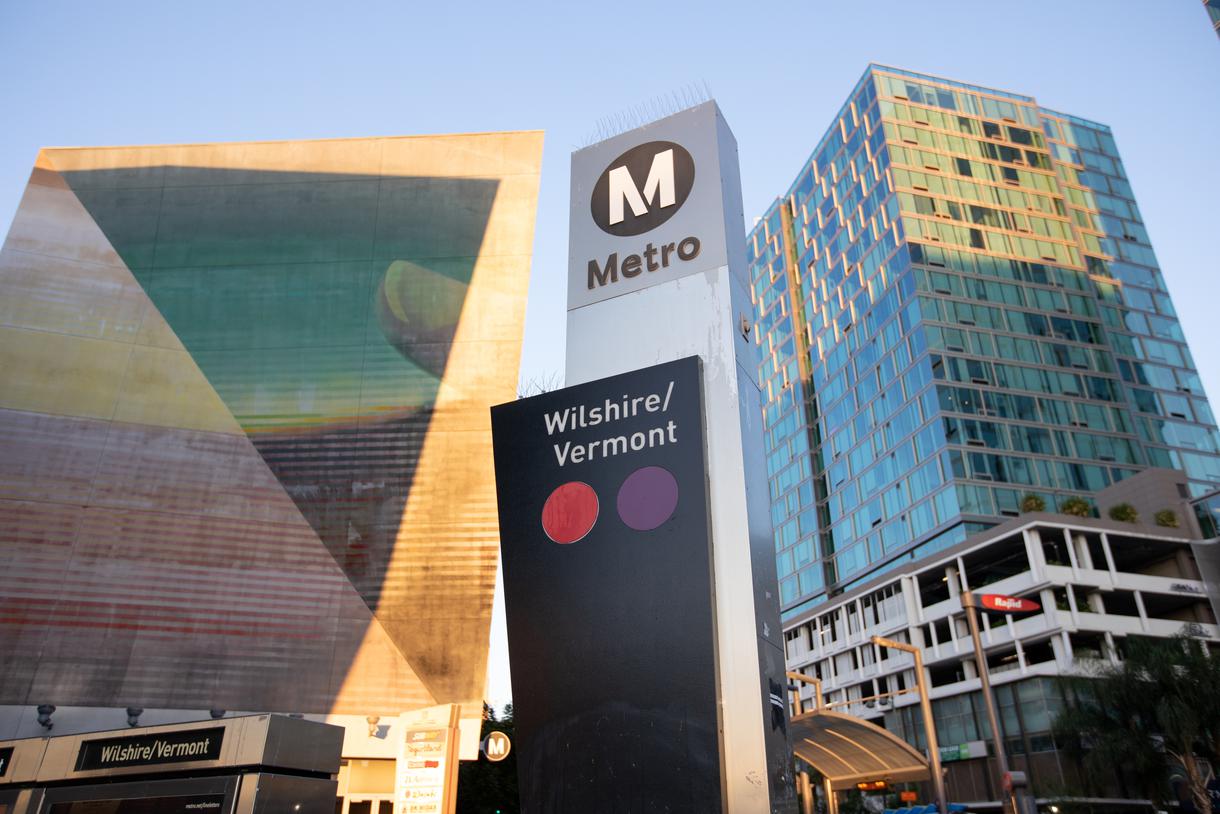
Curious to explore some of Los Angeles' most iconic attractions? Metro Rail provides convenient access to many of the city's most popular destinations.
The B Line offers easy access to some of LA's most famous attractions. Visit Universal Studios Hollywood by exiting at Universal City/Studio City Station and taking the free shuttle to the park entrance. Continue along the line to explore Hollywood landmarks, including the Hollywood Walk of Fame, TCL Chinese Theatre, and the Hollywood & Highland entertainment district.
Visitors can also use the B Line to reach Vermont/Sunset Station, where connecting bus service provides access to Griffith Observatory and Griffith Park.
The E Line is ideal for visitors heading to Downtown Los Angeles and Exposition Park. Sports fans can travel to nearby stations serving Crypto.com Arena, home of the Los Angeles Lakers, Kings, and Sparks. The line also provides access to Exposition Park, where visitors can explore:
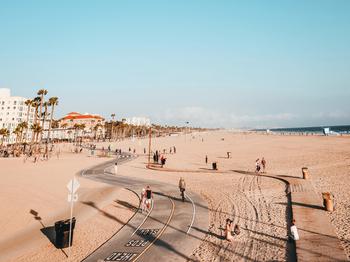
Continue west on the E Line to Downtown Santa Monica Station, located just blocks from the Santa Monica Pier and beach. Spend the day enjoying the Pacific Ocean, exploring the Third Street Promenade, visiting local restaurants and shops, or watching one of Southern California's famous sunsets.
With an expanding rail network, seamless contactless payment, and connections to many of Southern California's most popular destinations, Metro Rail is one of the easiest ways to experience Los Angeles. Whether you're visiting for a few days or settling into a new neighborhood, learning how to use Metro can save time, money, and plenty of frustration on the road.
Disclaimer: California.com does not receive any kind of compensation for reviewing any of the products or services mentioned in this article.

If you're looking for something fun to do, there are plenty of fun and free things to do in San Francisco, use our guide to help make plans.

Finding a wall isn't the problem. The problem is figuring out which gym fits your lifestyle the best.

What are you waiting for? Pack up your camping essentials and head over to the best campgrounds California has to offer.

The leagues, the stadiums, how to watch, how to get tickets. Consider this your starting point.